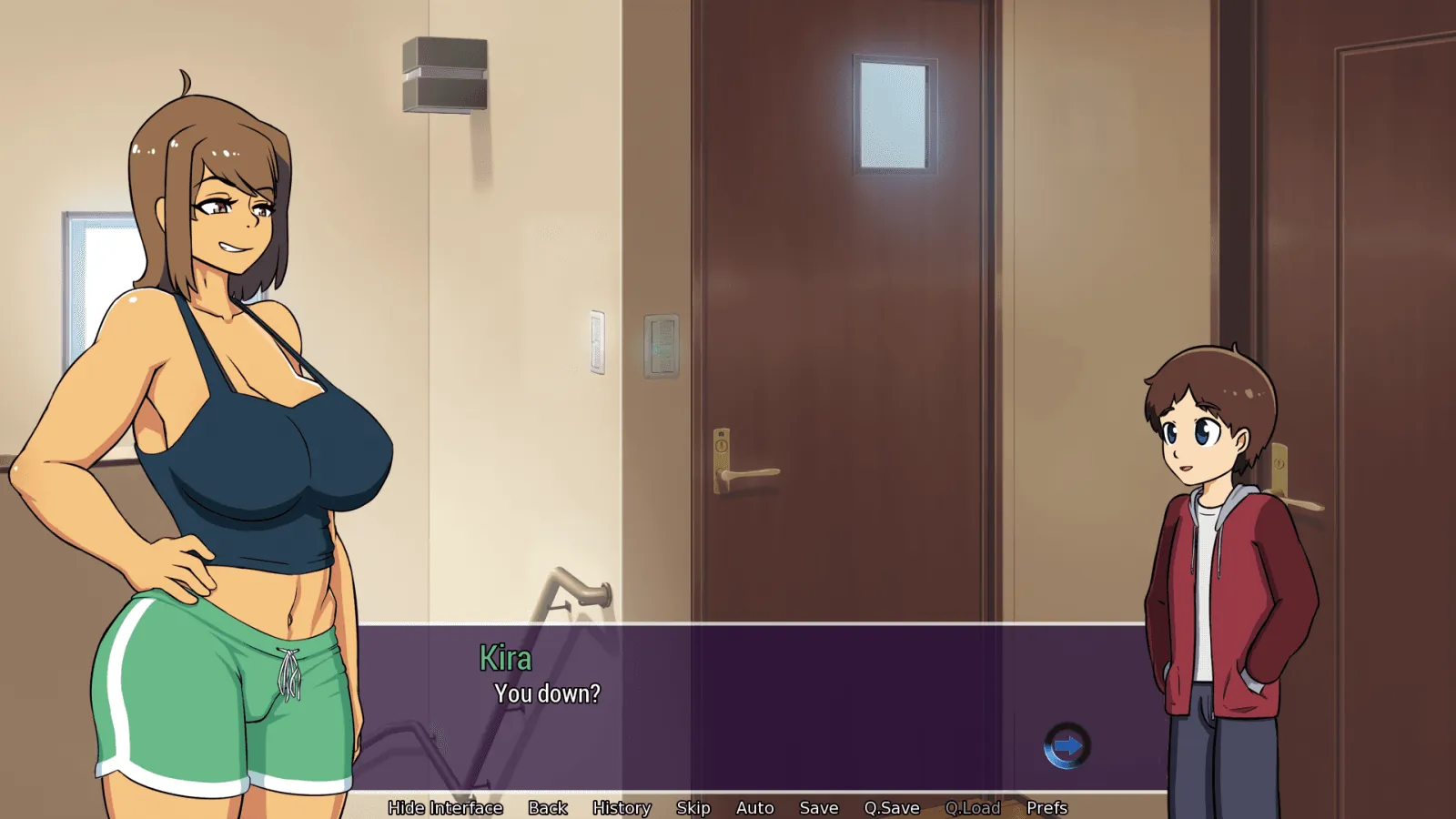
False Hero
Play False Hero
False Hero Screenshots


























False Hero review
Explore the immersive world and choices of False Hero, the corruption-based interactive game
False Hero is a distinctive interactive game that centers on corruption-based storytelling where player decisions shape the narrative and character relationships. This article explores the core gameplay, story dynamics, and the unique paths players can take with different characters, offering insights into what makes False Hero a compelling experience for fans of choice-driven games.
Understanding False Hero: Gameplay and Player Choices
Ever feel like your choices in a game don’t really matter? 😒 You pick the “good” option, get a pat on the head, and the story chugs along the same predetermined track. It’s a common frustration, and it’s exactly why False Hero gameplay feels like such a revelation. This isn’t just another interactive story game; it’s a deep, psychological playground where every single decision you make actively corrodes or preserves the soul of your character. Welcome to a world where being the “hero” is the most complex role you’ll ever play.
### What Makes False Hero Unique in Gameplay? 🎭
At its core, False Hero ditches the traditional morality slider of “good vs. evil” for something far more nuanced and insidious: a corruption-based game mechanics system. Think of it less as choosing between saving a kitten or kicking it, and more as deciding what kind of person you become when no one is watching—and how those hidden changes will spectacularly unravel later on.
The heart of the False Hero gameplay loop is the Corruption Bar, a persistent, often hidden meter that tracks the state of your character’s psyche. This isn’t a simple “dark side” points system. Every choice, from a seemingly minor lie to a major act of violence, feeds into this bar. The magic is that it doesn’t just unlock “bad” endings; it fundamentally alters how the story unfolds. A high-corruption character might intimidate their way through a social encounter, bypassing a whole dialogue tree, while a pure character would need to use persuasion or cunning. The corruption-based game mechanics mean the methods of progression change alongside the narrative.
My first playthrough was a mess—a beautiful, tragic mess. I thought I could be pragmatically ruthless “for the greater good.” I made a deal with a shady informant, rationalizing it as necessary intel. I didn’t see a giant “CORRUPTION +10” flash on screen; I just noticed my character’s internal monologue becoming more cynical, and later, that very informant blackmailed me with the evidence of our deal. The game had remembered, and the corruption-based game mechanics ensured my “smart” choice had long-term teeth.
### How Player Decisions Influence the Story 🌳
If you love games where your actions have weight, False Hero is your paradise. The branching narrative False Hero employs is less of a tree with a few big branches and more of a dense, interconnected root system. The False Hero decision impact is profound and often delayed. A choice in Chapter 2 might not reveal its consequences until Chapter 5, making every playthrough a process of discovery and, sometimes, horror.
The False Hero player choices aren’t just about picking dialogue options. They are woven into:
* Resource Management: Do you spend your limited “Sanity” resource to cleanse a tainted artifact (staying pure but becoming weaker), or absorb its power (gaining an edge at a cost)?
* Quest Solutions: You can complete most objectives in multiple ways. A corruption path might involve framing an innocent, while a pure path requires gathering difficult evidence.
* Character Perception: The world reacts to you. NPCs will comment on the coldness in your eyes, or the weariness in your stance. Your reputation precedes you, opening or closing entire avenues of the branching narrative False Hero is famous for.
Here’s a quick look at how early False Hero player choices can steer the narrative toward drastically different shores:
| Key Decision Point | Low-Corruption Path Choice | High-Corruption Path Choice | Major Narrative Outcome |
|---|---|---|---|
| Dealing with a Thief | Turn them into the guards to face justice. | Accept a bribe to let them go and keep their stolen goods. | The thief may become a loyal informant (corrupt) or return as a vengeful enemy seeking redemption (pure). |
| Investigating a Cult | Work with city officials to dismantle it from the outside. | Infiltrate the cult by performing a dark ritual to gain their trust. | Unlocks a questline to save brainwashed citizens (pure) or a quest to seize control of the cult for your own power (corrupt). |
| Resolving a Noble Feud | Act as a neutral mediator to find a peaceful compromise. | Assassinate one of the leaders and pin the crime on the other. | Creates a lasting, stable alliance (pure) or instills fear and creates a puppet ruler you control (corrupt). |
### Character Interactions and Multiple Paths 🧩
This is where the False Hero character paths truly shine. Every major character you meet has their own loyalty, fear, and admiration meters that are directly influenced by your actions and your visible level of corruption. Your companions aren’t just quest-givers; they are mirrors reflecting the monster or martyr you’re becoming.
A companion who values justice might abandon you if your corruption runs too high, while a more pragmatic ally might only respect you once you’ve shown a willingness to get your hands dirty. Romance isn’t safe either—relationships can become toxic codependencies or shining beacons of support, all based on your False Hero player choices. You’re not just following a set False Hero character path; you’re collaboratively writing it with every interaction.
Pro Tip: Pay close attention to how characters address you. Shifts from “my friend” to “boss” or “sir/ma’am” are subtle tells of how your False Hero decision impact is changing your relationships.
Let me give you a concrete example from my second playthrough. I was determined to walk the path of light. One companion, Sera, is a idealistic healer. Early on, we encountered her estranged brother, a man who had turned to banditry. The “corrupt” options were clear: kill him for the bounty, or recruit him as a brutal enforcer.
But the “pure” path was far more difficult. It required:
1. Using my earlier choices (like donating to the poor) to build enough social credit with the town guard to advocate for his arrest instead of execution.
2. Spending several in-game days and precious resources gathering proof he was coerced into crime.
3. Convincing Sera to confront her trauma and testify, which risked our friendship if I pushed too hard.
Succeeding didn’t just give me a happy ending. It unlocked a new False Hero character path for Sera, where she founded a clinic in the slums, which then became a hub for new, hopeful quests. That entire storyline was invisible on my first, corrupted run. The False Hero gameplay experience was fundamentally different.
Ultimately, False Hero masterfully blends its corruption-based game mechanics with a deeply branching narrative to create a truly personal saga. Your False Hero player choices craft a story that feels uniquely yours, filled with consequences that are earned, not just assigned. It’s a challenging, thought-provoking interactive story game that asks the hardest question of all: what are you willing to become to win, and is that victory still worth having? Your answer will write the story. ✨
False Hero offers a rich, choice-driven gameplay experience where every decision shapes the story and character relationships uniquely. Its corruption-based mechanics and branching paths provide players with engaging replayability and moral complexity. Whether you enjoy exploring different narrative outcomes or immersing yourself in interactive storytelling, False Hero stands out as a compelling game worth exploring. Dive in and discover the many paths your choices can lead you down.