Maeve’s Academy
Play Maeve’s Academy
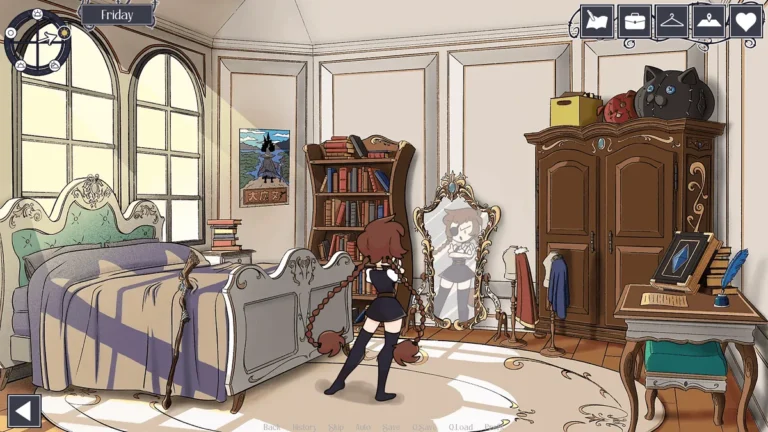
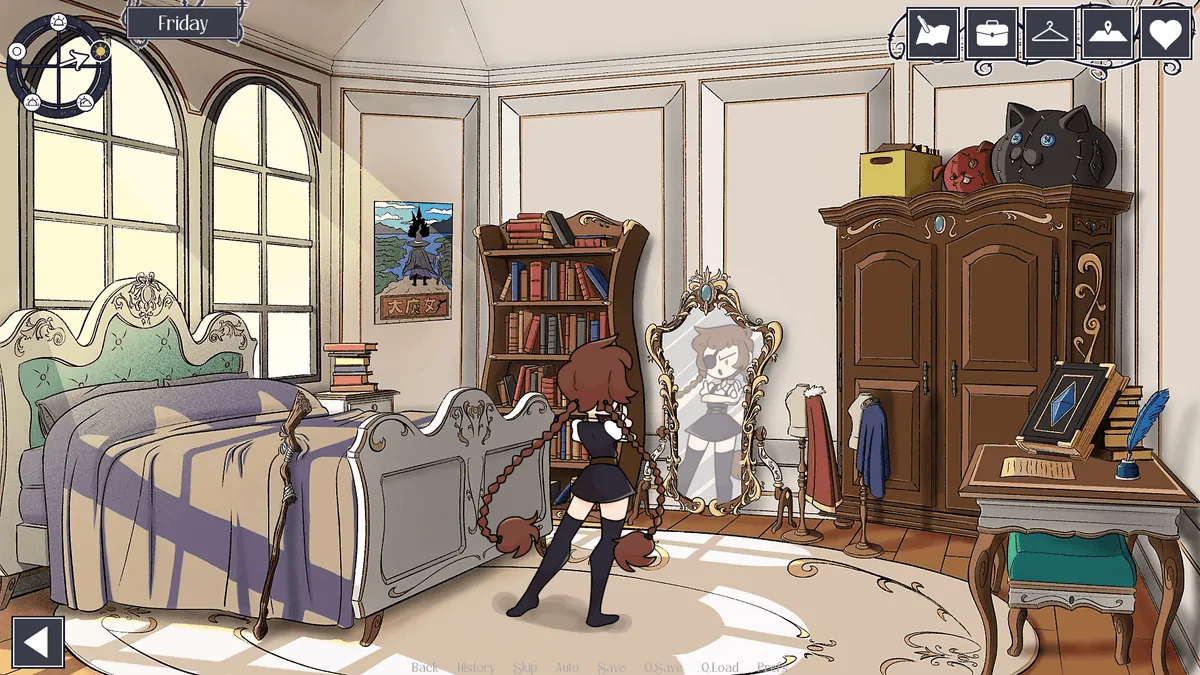
Maeve’s Academy Screenshots

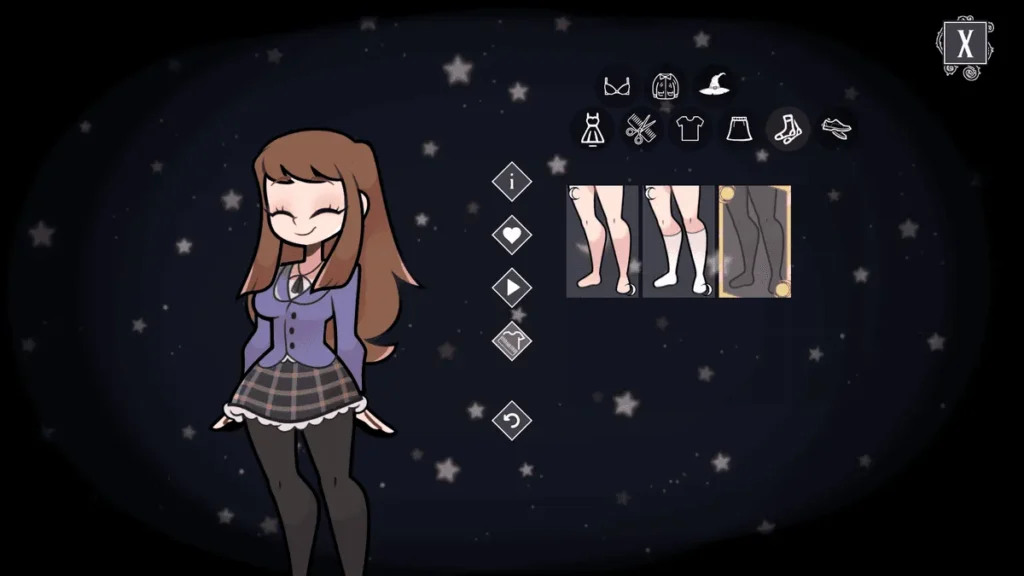


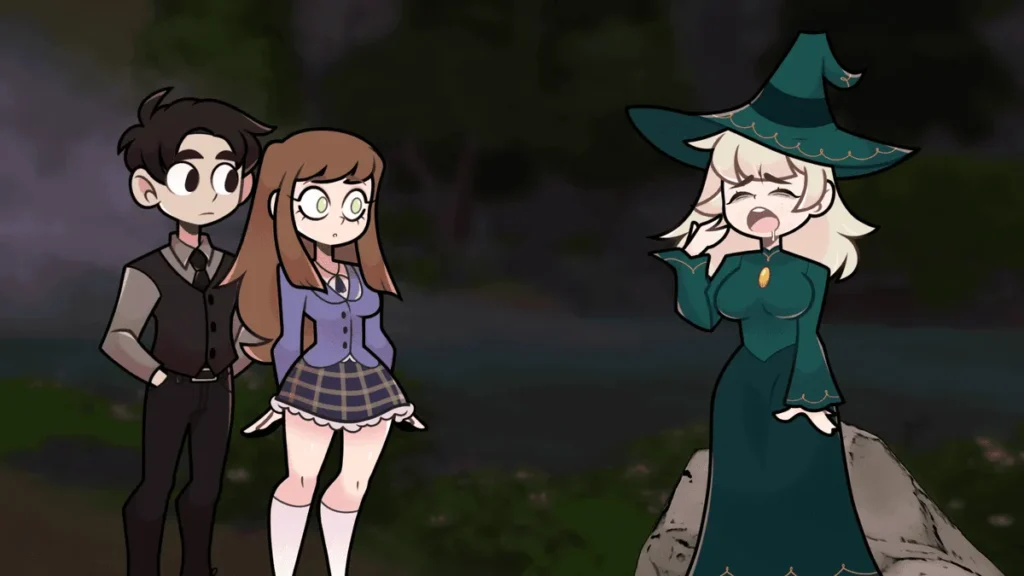
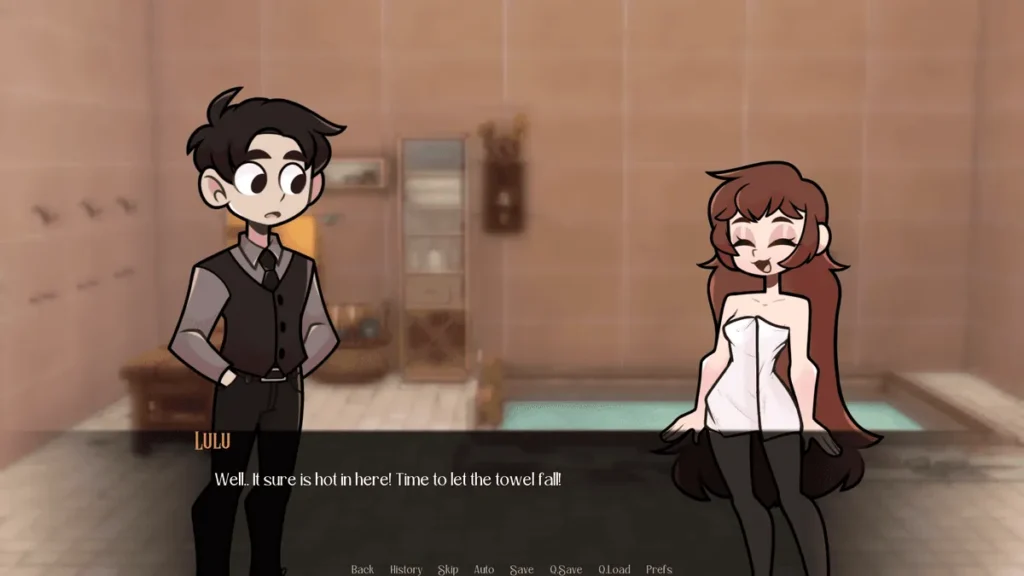
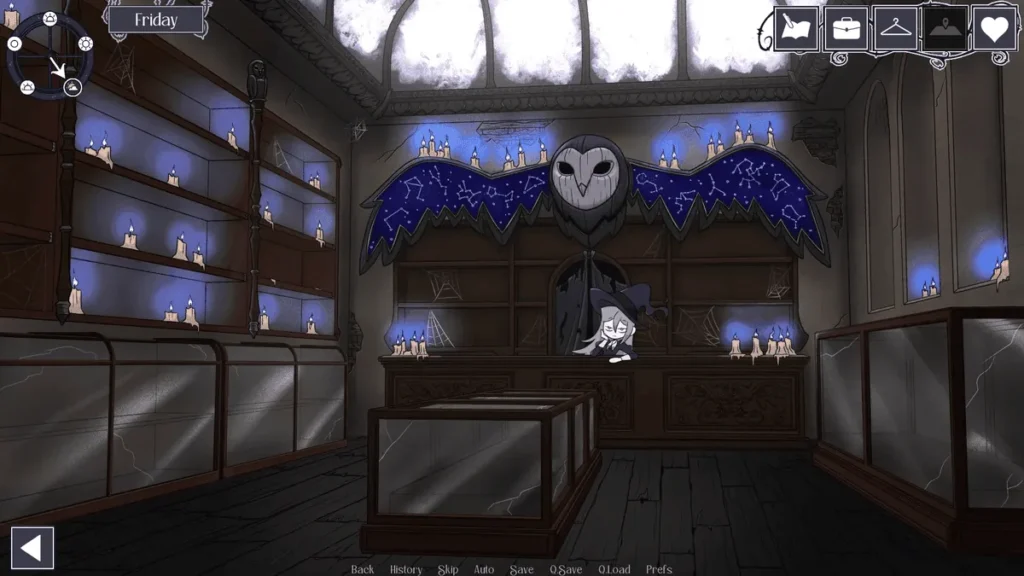
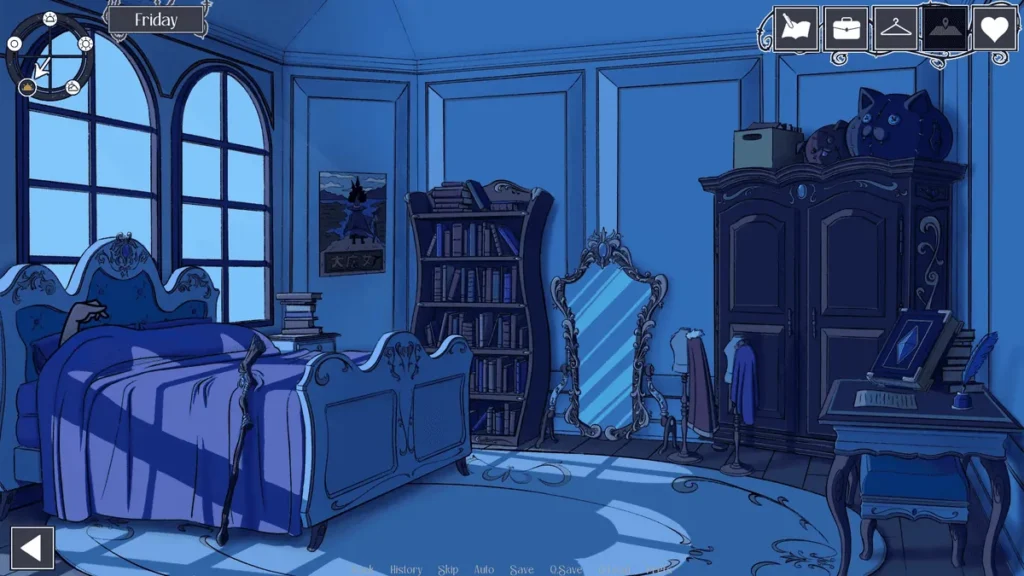
Maeve’s Academy review
Explore the magical sandbox visual novel experience with gameplay mechanics, character development, and immersive storytelling
Maeve’s Academy stands out as a unique visual novel sandbox experience set within a magical realm where you become the first man to ever enter this enchanted world. Developed by Hatchet Games, this game combines engaging storytelling with interactive gameplay mechanics that let you shape your journey through H.G Academy. Whether you’re drawn to the fantasy setting, character-driven narrative, or the sandbox elements that allow meaningful player choices, understanding what makes Maeve’s Academy special can help you get the most from your gaming experience. This guide explores the core gameplay features, character dynamics, and what sets this title apart in the visual novel genre.
Gameplay Mechanics & Core Features
Ever felt trapped in a visual novel, clicking through gorgeous art but with all the freedom of a passenger on a train? 🚂 Or maybe you’ve been overwhelmed by a sprawling sandbox game, crafting and building but feeling disconnected from a meaningful story? Maeve’s Academy beautifully bridges that gap. It’s a world where your choices don’t just nudge a pre-written plot down one of three corridors; they fundamentally reshape the world, your relationships, and the legacy you leave behind. This isn’t just a story you read; it’s a story you build, piece by piece, conversation by conversation, from the ground up. ✨
At its heart, the Maeve’s Academy gameplay mechanics are an elegant dance between structured narrative and creative freedom. You step into the worn boots of a new caretaker for a once-glorious, now-dilapidated academy of magic. Your mission? Restore it to its former glory. But how you do that, who you befriend, what secrets you uncover, and what kind of leader you become is entirely up to you. This is the core of its visual novel sandbox experience—a living world that reacts to your presence, where your decisions in dialogue are as impactful as your decisions in how to spend your afternoon.
What Makes the Sandbox Experience Unique
So, what exactly does “sandbox” mean in a visual novel? 🤔 It means the story isn’t on rails. While there’s a central narrative thread about the academy’s mysterious decline and your role in its future, your daily life is yours to design. The game operates on a calendar and time-block system. Each day, you choose how to spend your energy: will you explore the overgrown forest to gather rare alchemical ingredients? 🍄 Will you spend the morning repairing the cracked library walls, or the afternoon getting to know the shy botanist who tends the enchanted greenhouses?
This is where the magic of player choice and agency truly shines. The “sandbox” isn’t just about busywork; every action feeds back into the narrative ecosystem. Restoring a classroom might unlock new study sessions with students, raising their skills and opening new dialogue branches. Clearing a blocked pathway could reveal a hidden shrine, triggering a character’s personal quest line. The world physically changes based on your efforts, making your impact tangible and deeply satisfying.
The core loop is intuitive yet rich:
* Morning: Plan your day. Check your resources, review character requests, and decide on your focus—social, exploration, or restoration.
* Afternoon: Execute your plans. Engage in character events, gather materials, or work on academy projects.
* Evening: Reflect and bond. Often the best time for deeper conversations with characters, studying lore, or crafting items from your finds.
This structure creates a perfect rhythm. There’s always something to do, but never a frantic pressure to do everything at once. You set the pace. Want to spend a whole week befriending the reclusive archivist and uncovering a mystery? Go for it. Feel like focusing purely on rebuilding the grand hall to host a festival? That’s your call. This balance is the genius of the interactive storytelling mechanics in Maeve’s Academy; the plot waits for you to live your life within it.
Here are the key features that make this sandbox tick:
* Dynamic World State: The academy’s appearance changes as you restore it. New areas unlock, interiors become furnished, and ambient student life increases.
* Resource Management with Purpose: Every herb picked, ore mined, or relic found has a direct use—in crafting, gifting, or completing restoration projects.
* Time as a Resource: Choices matter because you can’t do everything. Spending time with one character means not spending it with another or on a project, creating natural, meaningful consequences.
* Open-Ended Exploration: While story events are triggered, you are free to roam the academy grounds and surrounding areas, often stumbling upon secrets or character moments organically.
Character Interaction Systems & Relationship Building
If the academy is the body of the game, its characters are the heart. ❤️ Gone is the simple “pick the right dialogue option to gain +10 affection.” Maeve’s Academy features a sophisticated character relationship building system that feels genuinely human. Each character—from the stern combat instructor to the optimistic young student—has their own motivations, fears, secrets, and schedules. They don’t just exist to give you quests; they live their own lives, which you can choose to be a part of.
Central to this system is the Maeve’s Academy trust meter. But don’t picture a simple bar you fill up. Think of it as a multi-faceted representation of your connection. Trust is broken down into key dimensions:
| Dimension | What It Represents | How It’s Influenced |
|---|---|---|
| Personal Trust | How much they confide in you personally. Do they share secrets, fears, and hopes? | Choosing supportive dialogue, remembering personal details, giving thoughtful gifts. |
| Professional Respect | Their faith in your capabilities as the academy’s caretaker and leader. | Successfully completing tasks they care about, making wise restoration choices, demonstrating skill. |
| Shared Ideals | Alignment on the future vision for the academy and its teachings. | Your major plot decisions, how you handle moral dilemmas, your teaching style. |
These dimensions evolve independently! 🎭 You might have a character who deeply respects you professionally but is too guarded to trust you personally yet. Or someone who adores you as a friend but questions your leadership decisions. This creates incredibly nuanced relationships. Raising trust isn’t about grinding gifts; it’s about consistent, authentic interaction.
Tip from a Fellow Caretaker: Pay attention to character schedules! I once spent days looking for the groundskeeper, only to realize he spends every rainy afternoon in the clock tower, writing. Finding him there for a quiet chat deepened our connection more than any planned meeting ever could.
Building these bonds opens up the world. High personal trust unlocks character-specific side stories and secret histories. Professional respect might lead a teacher to offer you specialized training, unlocking new gameplay abilities. Shared ideals can turn a skeptical staff member into your most loyal ally, who will then support you in major story decisions. The character relationship building system is the engine for the game’s most rewarding content, making every friendship feel earned and impactful.
Story Progression & Player Agency
This is where Maeve’s Academy truly separates itself from the pack. How does a story progress when the player has so much freedom? The answer is through a brilliant fusion of milestone storytelling and emergent narrative. The main plot advances through key events—a seasonal festival, an unexpected visitor, the discovery of a major clue. However, when you trigger these events and what state you and the academy are in when they occur is entirely dependent on your actions. This is player choice and agency at its most potent.
Let me give you an example from my own playthrough. A major story beat involves confronting a mysterious magical blight in the eastern woods. The game gave me the objective, but the “how” was mine to decide.
* My Choices: I had spent weeks building high Professional Respect with the stern herbalist, Elara, by helping her restore the greenhouse. I had also befriended a group of students, raising their practical magic skills through restored training grounds.
* The Outcome: When the blight event triggered, I had multiple paths. I could charge in alone. I could ask Elara for help. Or I could mobilize the students. Because of my prior investments, I chose a combination: Elara provided a potent anti-blight concoction (unlocked due to high trust), and I led the students in a coordinated ritual to contain it (possible because I had restored the needed facilities and trained them).
* The Consequence: We succeeded with minimal damage. In a playthrough where I’d ignored Elara and focused only on physical restoration, I would have lacked her potion and likely taken a different, harder path. The story beat happened, but my story of how it unfolded was uniquely mine.
This is the essence of the interactive storytelling mechanics. The game remembers everything. Did you neglect the library’s restoration? Then you might lack crucial historical texts to understand a villain’s motive. Did you alienate a key teacher? You might face a crucial vote without their support. The academy restoration gameplay isn’t a separate mini-game; it’s the bedrock of the narrative. A restored lecture hall might be the venue where you win over the skeptical faculty. A cleaned-up orchard might be where you share a pivotal moment with a companion.
The pacing is masterful. You’re never locked out of the main story for grinding, but you’re constantly incentivized to engage with the sandbox to shape the quality of your progression. It makes you feel less like a player following a script and more like a true architect of this world’s future. Every repaired wall, every solved friendship, every learned spell becomes a narrative block in your own unique tale.
In the end, Maeve’s Academy understands that the most powerful stories are the ones we feel we’ve authored ourselves. Its gameplay mechanics offer the tools—the brush, the chisel, the words—while the visual novel sandbox experience provides the canvas. You breathe life into the characters through a deep relationship building system, and you guide the plot with genuine player choice and agency. It’s a game that trusts you with its world, and in doing so, creates an experience that is magically, profoundly your own. ✨
Maeve’s Academy delivers a compelling blend of visual novel storytelling and sandbox gameplay that appeals to players seeking meaningful character interactions and player agency. The game’s strength lies in its well-developed world, diverse character cast, and the freedom to shape your relationships and story progression through your choices. With its engaging narrative, quality writing, and immersive magical setting, Maeve’s Academy offers a distinctive experience that rewards exploration and meaningful engagement with its characters. Whether you’re drawn to the fantasy elements, the relationship-building mechanics, or the interactive storytelling, this title provides substantial content and replay value. If you’re interested in visual novels that prioritize player choice and character development within a richly detailed world, Maeve’s Academy deserves your attention.