Meeting
Play Meeting
Meeting Screenshots




Meeting review
Exploring the innovative blend of tactical gameplay and narrative-driven storytelling in this ambitious indie title
Subverse represents a groundbreaking moment in independent game development, combining ambitious sci-fi worldbuilding with innovative gameplay mechanics. This title has captured significant attention in the gaming community, becoming one of the most successful crowdfunded video game projects in history. Developed by FOW Interactive, Subverse merges tactical RPG elements with SHMUP mechanics, creating a unique experience that prioritizes character-driven storytelling and player agency. Whether you’re interested in indie game development, sci-fi narratives, or innovative gameplay design, understanding Subverse’s approach offers valuable insights into the future of interactive entertainment.
Understanding Subverse: Game Overview and Development
Let’s be honest—how many times have you seen a game trailer, gotten absurdly hyped, and then been handed something that feels half-baked on release? 😤 It’s a tale as old as digital distribution. We dream of sprawling sci-fi epics with rich stories, deep relationships, and gameplay that actually challenges us, but so often, one piece of that puzzle is missing.
That’s the gap FOW Interactive aimed to fill with a single, ambitious pitch. They didn’t just want to make a game; they wanted to craft a experience that refused to compromise. The result is the Subverse game, a project that from its very announcement felt like a direct response to player fatigue with disjointed design. It promised a potent cocktail of tactical RPG gameplay, white-knuckle SHMUP mechanics, and a character-driven narrative worthy of a binge-worthy series, all wrapped in a loving homage to classic sci-fi. This isn’t just another indie title; it’s a statement of intent.
So, what exactly is this groundbreaking project, and how did a relatively new studio manage to pull it off? Let’s dive into the origins, the vision, and the record-breaking community effort that brought this starship to life. 🚀
What Makes Subverse a Landmark Gaming Project
At its core, the Subverse game is an audacious genre fusion. Many games attempt to blend styles, but they often feel like two separate games awkwardly stapled together. Subverse’s foundational pitch was different: these gameplay modes wouldn’t just coexist; they would be interdependent chapters in a larger story.
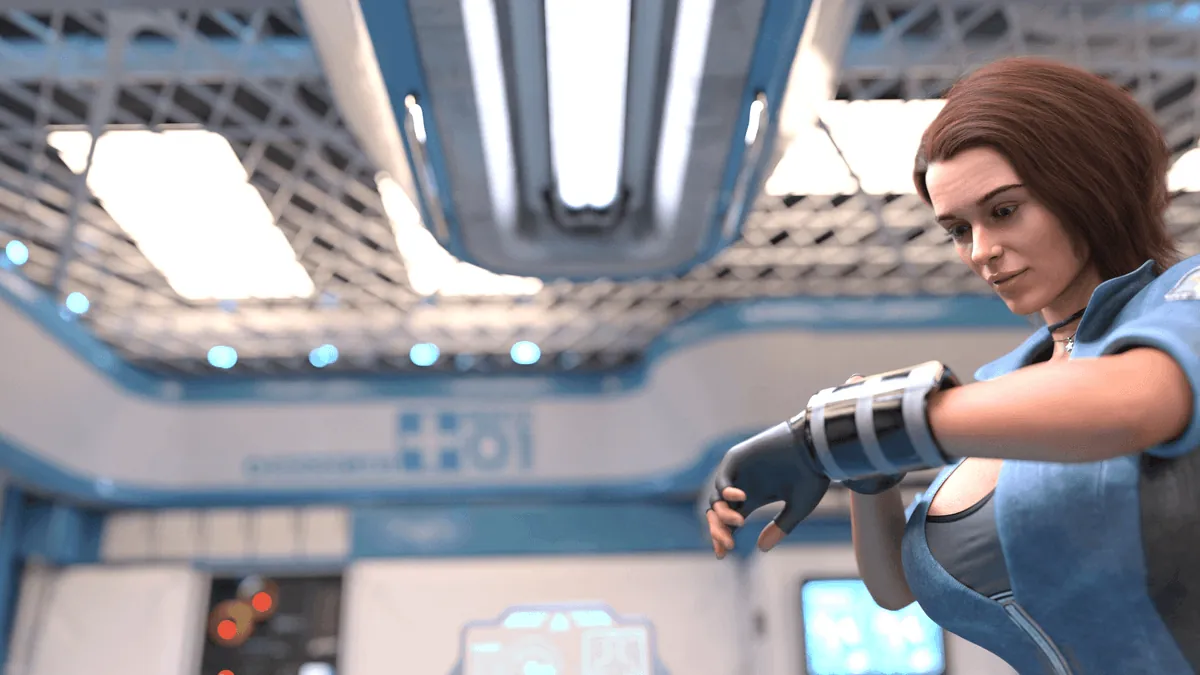
On one hand, you command your ship, the Mary Celeste, in intense top-down space combat. This is where those SHMUP mechanics shine. We’re not talking about a simple mini-game. These sections are full-fledged bullet-hell scenarios where you dodge vibrant barrages of enemy fire, manage your weapon systems, and utilize unique pilot abilities. It’s a direct, visceral test of your reflexes that makes you feel like the ace pilot of a rag-tag crew.
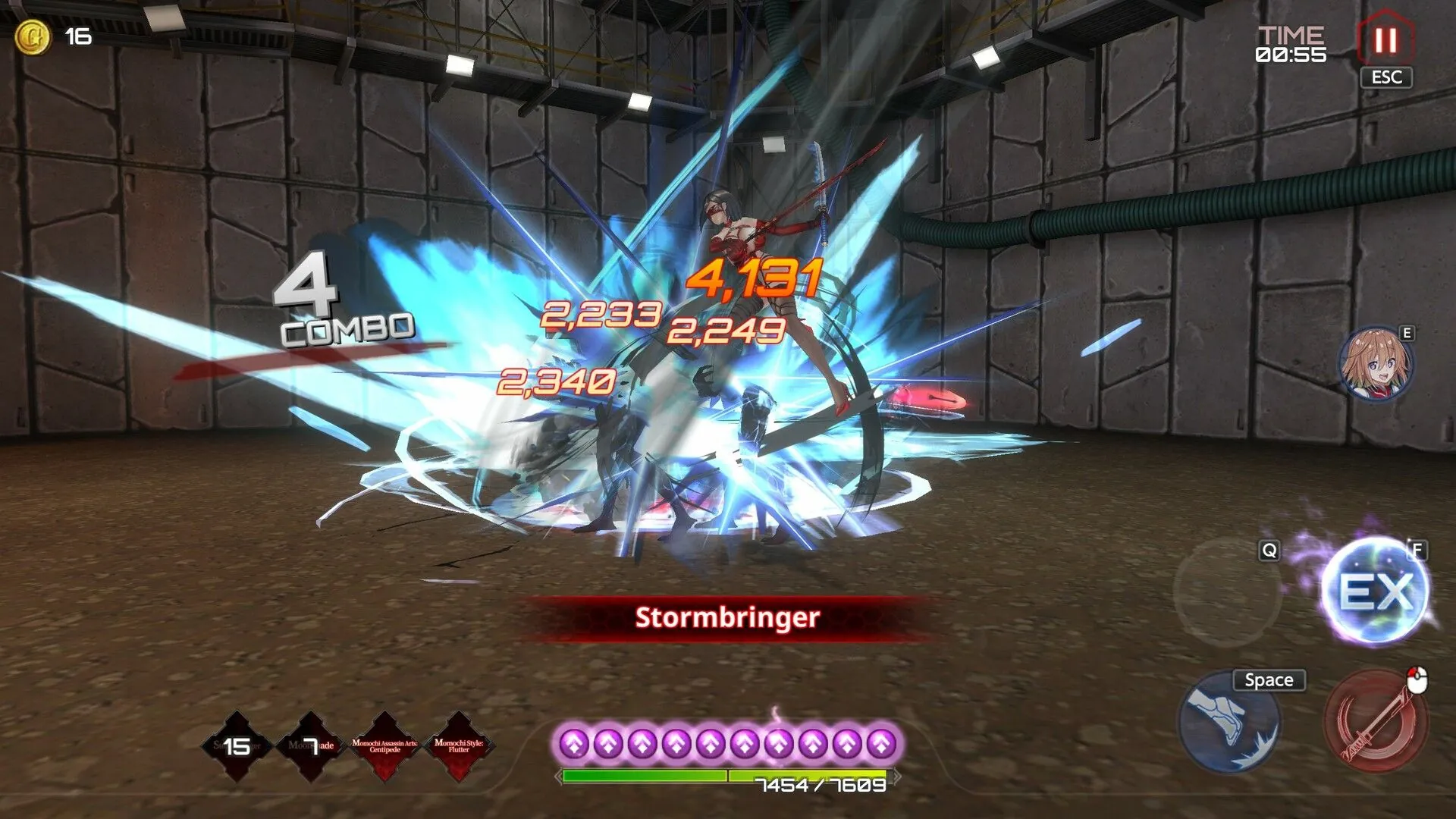
Then, you switch gears entirely. When the mission calls for boots on the ground, the game transforms into a sophisticated grid-based tactical RPG gameplay experience. Here, you control your recruited crew members—each with distinct classes, abilities, and personalities—across varied battlefield terrains. It’s a thinker’s game of positioning, ability combos, and exploiting enemy weaknesses. The brilliance lies in how these two pillars feed into a shared progression system. Resources earned in space combat can upgrade your ground squad, and vice-versa, creating a deliciously satisfying loop.
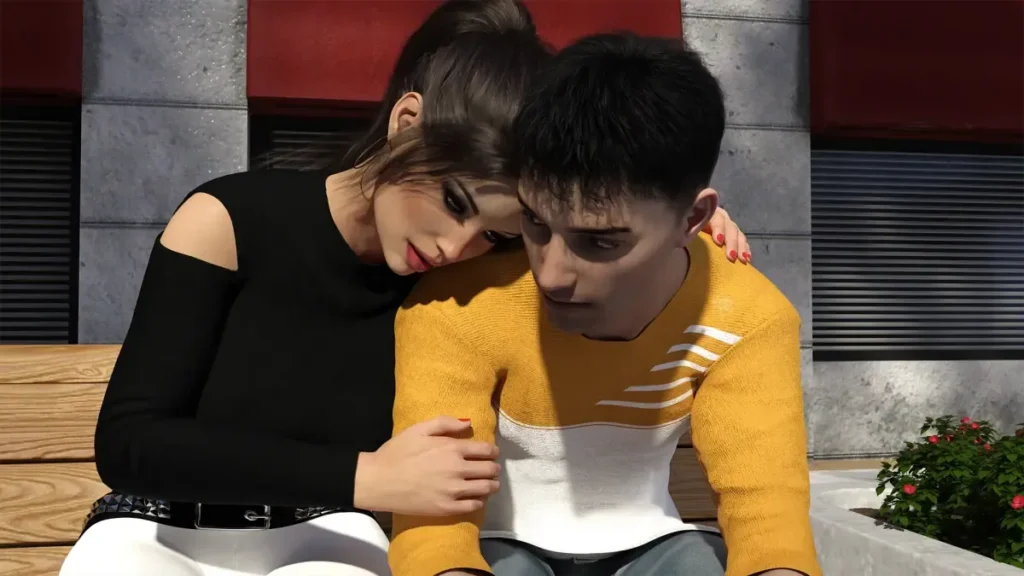
But the true landmark achievement is how these systems are woven into the narrative and character engagement. This isn’t a game where you skip cutscenes to get to the “good part.” The story is the good part. You are the captain, building relationships with a diverse, often hilarious, and deeply written cast of companions. Your choices in dialogue, mission outcomes, and how you interact with your crew shape their personal stories and, ultimately, the fate of your journey.
“We didn’t want players to just see cool characters; we wanted them to care about them. The combat, the exploration—it all has to serve the purpose of making you invested in this world and the people fighting for it. Every laser blast and tactical decision should feel like part of their story.” – A Developer at FOW Interactive
This holistic approach is what sets Subverse apart. It looks at the player’s desire for deep gameplay and meaningful narrative and says, “You can have both.” It demonstrates that indie game development is no longer just about pixel art platformers (as wonderful as those are). It’s a space where the most passionate, unfiltered creative visions—the ones big publishers might consider too niche or risky—can find their audience and thrive. Subverse is proof that a dedicated team with a clear, ambitious blueprint can build a world that rivals the scope of AAA titles, just on its own terms. 💥
FOW Interactive’s Vision and Creative Direction
Who is the team behind this behemoth? FOW Interactive began with a reputation built in a very specific niche of 3D animation, earning a massive and dedicated fanbase for their style and storytelling chops. They understood character appeal and narrative pacing long before they wrote a single line of game code. This background is absolutely critical to understanding their foray into games.
Their vision wasn’t to simply “make a game with their characters.” It was to translate the direct, character-centric engagement of their animations into an interactive format where the player is the protagonist. They saw a landscape where many games in the “adult” sphere focused solely on one aspect, often to the detriment of everything else. FOW Interactive asked a revolutionary question: What if they built a complete, high-quality game first—with compelling tactical RPG gameplay, exciting SHMUP mechanics, exploration, and loot—and then seamlessly integrated their signature character depth into its core?
This “gameplay first” philosophy was their creative North Star. They committed to quality production values that would stand up in any Steam library, irrespective of its other content. We’re talking full English voice acting for a huge cast, a stunning original soundtrack, detailed 3D environments for both space and planetary combat, and a user interface that looks and feels polished.
The sci-fi setting, a universe called the Prodigium Galaxy, is a love letter to classics like Mass Effect, Firefly, and Star Wars. It’s a grimy, lived-in universe full of warring factions, ancient mysteries, and shady bars where deals go wrong. This familiar yet fertile ground allows them to tell stories that range from epic, galaxy-saving quests to personal, heartfelt crew interactions. For FOW Interactive, the setting serves the characters, giving them a vibrant stage for their dramas, comedies, and romances.
Their direction proved a masterclass in indie game development. Instead of being constrained by a publisher’s marketing demographics, they had a direct line to their audience. They knew what their fans loved about their work, and they designed the Subverse game to expand upon that foundation interactively. Every decision, from the hybrid gameplay to the extensive dialogue trees, points toward a single goal: player immersion and emotional investment. They’re not just creating a game; they’re curating a journey where you, as the captain, form genuine bonds with your digital crew. This unwavering commitment to a singular, player-focused vision is what makes their creative direction so potent and refreshing. 🌌
Crowdfunding Success and Community Support
Here’s where the story of the Subverse game goes from ambitious idea to historic reality. In March 2019, FOW Interactive took their vision to Kickstarter. They had a compelling pitch: a proven team with a track record of delivery, a clear and detailed design document showcasing both gameplay pillars, and a tantalizing glimpse of the world and characters. They weren’t selling a pipe dream; they were offering a roadmap to a complete, professional-grade experience.
The response was nothing short of seismic. 🚨
The campaign didn’t just meet its goal—it utterly vaporized it. Becoming one of the most notable Kickstarter game success stories, it soared past its initial £100,000 target in just one hour. By the time the funding period closed, it had raised over $2.2 million from more than 45,000 backers. This wasn’t just funding; it was a thunderous vote of confidence from a community desperate for exactly this kind of uncompromising project.
This monumental achievement highlighted several key truths about modern crowdfunded video games:
- Audience Clarity is Power: FOW Interactive knew their audience and spoke to them directly. There was no vague marketing speak; their pitch was brutally honest about what the game was and who it was for.
- Transparency Builds Trust: Throughout the campaign and the long development cycle that followed, the team maintained a regular devlog presence. They shared triumphs, admitted hurdles, and showed raw gameplay footage. This open dialogue transformed backers from mere funders into invested stakeholders in the project’s success.
- Proof of Concept Matters: Their existing body of work served as a tangible promise of their artistic and narrative quality. Backers could see the team’s capability and style, reducing the perceived risk that often plagues game crowdfunding.
To understand the scale of this Kickstarter game success, let’s look at how it stacks up against other landmark crowdfunded video games. The table below illustrates just how massive its support was.
| Game Title | Platform | Funds Raised (Approx.) | Backer Count | Initial Development Timeline |
|---|---|---|---|---|
| Subverse | Kickstarter | $2.2 Million | 45,000+ | ~3.5 Years to Early Access |
| Hollow Knight | Kickstarter | $57,000 | 2,158 | ~3 Years to Full Release |
| Undertale | Kickstarter | $51,000 | 2,398 | ~2.5 Years to Full Release |
| Pillars of Eternity | Kickstarter | $4.0 Million | 74,000+ | ~3 Years to Full Release |
As you can see, while not the absolute highest in raw funds, the Subverse game campaign sits in a unique echelon. Its funding amount relative to its starting goal and its incredibly dense backer support showcase a uniquely passionate and concentrated community. This provided FOW Interactive with the resources to think bigger, hire more talent, and ensure those quality production values weren’t just a promise, but a deliverable.
The journey through Early Access has been a continued conversation with this community. Player feedback on the tactical RPG gameplay balance, the intensity of the SHMUP mechanics, and the narrative pacing has directly shaped the game’s evolution. This symbiotic relationship is the ultimate validation of the crowdfunding model at its best. It proved that an indie game development studio, armed with a bold vision and a direct line to its players, could mobilize the resources and support typically reserved for established industry giants. The success of Subverse isn’t just a win for its developers; it’s a beacon for every creative team dreaming of building their own universe, on their own terms. ✨
In essence, understanding Subverse means recognizing it as a confluence of perfect elements: a developer with a crystal-clear, player-first vision, a groundbreaking fusion of respected gameplay genres, and a historic crowdfunding campaign that proved there was a massive audience hungry for such an unapologetically ambitious project. It’s a case study in how modern indie game development can succeed through authenticity, community, and the sheer audacity to try blending it all together.
Subverse stands as a testament to the evolving landscape of independent game development, demonstrating that ambitious creative visions can find substantial support when they offer something genuinely innovative. By successfully combining tactical RPG mechanics with SHMUP gameplay while maintaining a strong narrative focus, FOW Interactive has created a project that appeals to diverse gaming audiences. The game’s record-breaking crowdfunding success reflects not just financial backing, but genuine community enthusiasm for games that prioritize character development and player agency alongside engaging mechanics. As the gaming industry continues to diversify and evolve, Subverse represents an important example of how indie developers can push creative boundaries while maintaining quality production values. For players, developers, and industry observers alike, this project offers valuable lessons about the importance of clear creative vision, community engagement, and the willingness to explore unconventional gameplay combinations. Whether you’re interested in the future of indie gaming, innovative narrative design, or the evolution of game mechanics, Subverse provides a compelling case study in how creative ambition and community support can reshape gaming experiences.