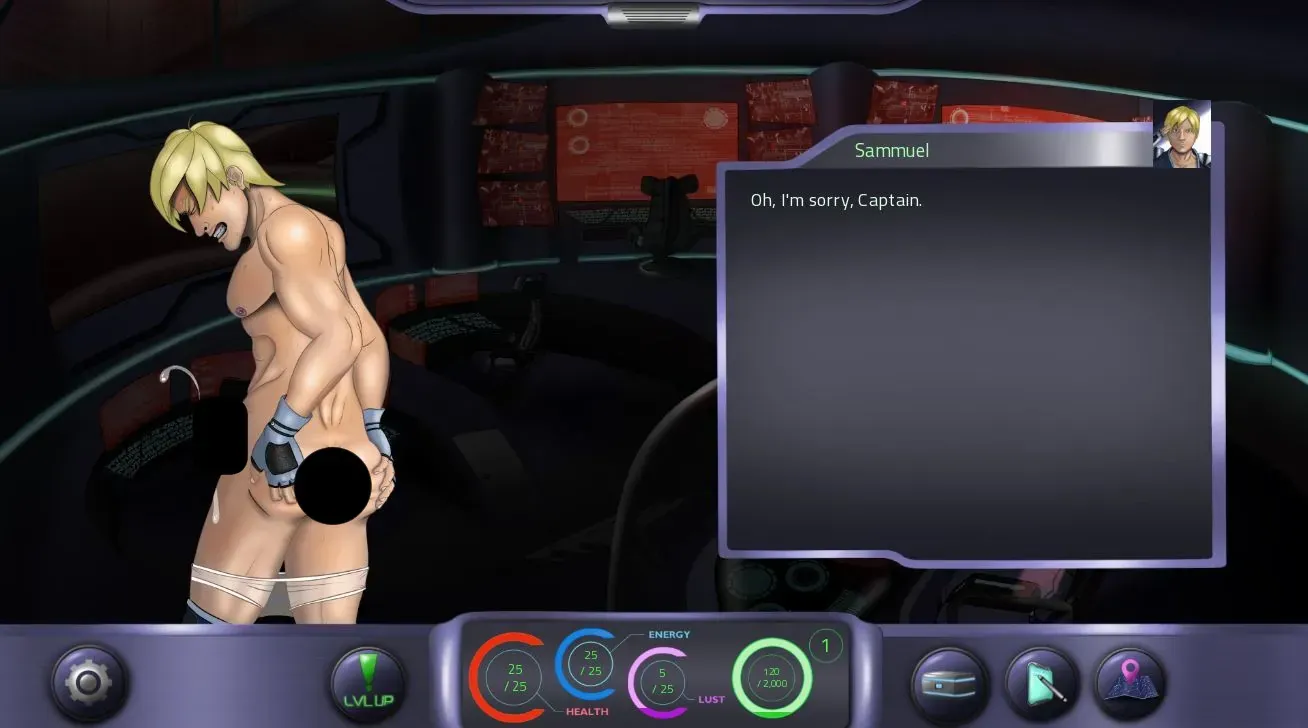
Meeting
Play Meeting
Meeting Screenshots






Meeting review
Master the art of conversation and character interaction in this immersive adult simulation
Meeting stands out as a distinctive interactive adult simulation that prioritizes meaningful conversation and character development over traditional gameplay mechanics. Unlike conventional games focused on action or combat, Meeting centers on dialogue-driven storytelling where your choices shape relationships and unlock unique narrative paths. The game features a sophisticated system combining dynamic dialogue options, hidden relationship matrices, and strategic time management. Whether you’re exploring character personalities, building connections, or discovering multiple story endings, Meeting offers a personalized experience where every decision carries weight. This guide explores the core mechanics that make Meeting a compelling choice for players seeking depth and emotional engagement in their gaming experience.
Understanding Meeting Game Mechanics and Core Systems
Let’s be honest: we’ve all played games where conversations feel like a chore. You click through dialogue just to get to the next action scene, and your choices rarely feel like they matter. 🎮 What if a game turned that entire concept on its head? What if conversation itself was the primary adventure, where every word you choose reshapes the world and the people in it?
Welcome to the world of Meeting. This isn’t just another game; it’s an intricate simulation of human connection where mastering the art of talk is your ultimate skill. Your progress isn’t measured in experience points or loot, but in revelations—those intimate, hard-earned moments of truth that change everything. The entire experience is built on three interlocking pillars of Meeting game mechanics: a nuanced dialogue system Meeting players with power, a hidden affinity system Meeting every interaction, and a strategic layer of time management Meeting game that forces meaningful choices. Together, they create a living story that is uniquely, undeniably yours. Let’s pull back the curtain. 🔍
How Dialogue Systems Shape Your Story
Forget simple “Good/Evil/Sarcastic” options. The dialogue system Meeting employs is a delicate instrument of tone and intention. When you engage in character interaction Meeting, you’re presented with a wheel of possibilities, each categorized by its emotional flavor: Flirt, Joke, Sympathize, Be Direct, and more. This isn’t about picking the “right” answer to win a debate; it’s about choosing the emotional register you want to establish in that moment.
Think of it like this: you’re at a rooftop bar with a colleague, Alex, who’s stressed about a project. The city lights glitter below. You could:
* Joke: “Sounds like you need a drink stronger than this cocktail!” (Lightens the mood, builds Familiarity)
* Sympathize: “I’ve been there. The pressure can feel overwhelming.” (Builds Trust, shows empathy)
* Be Direct: “Let’s break down the problem. What’s the biggest hurdle?” (Builds Respect, focuses on practicality)
* Flirt: “You know, you’re kind of captivating when you’re passionately frustrated.” (Risky, could build Attraction or backfire spectacularly)
Each of these conversation choices Meeting game options sends a different signal. A joke might make Alex relax and see you as a fun escape, unlocking future light-hearted hangouts. A sympathetic ear might lead them to confess a deeper personal worry later. That single choice doesn’t just give you different next lines of dialogue; it fundamentally alters the climate of your relationship, setting you on a narrative branch where certain future scenes, confidences, and opportunities will blossom, while others wither unseen.
Pro Tip: Pay attention to the environment! Meeting game mechanics often let you comment on objects in a room—a book on a shelf, a piece of art, the drink they ordered. These aren’t filler options. Choosing to notice and discuss a character’s vinyl collection might spike Familiarity and Attraction more than any direct compliment, because it shows you’re paying attention to who they are.
This system makes every coffee break, every late-night chat, and every awkward silence a mini-puzzle of human psychology. The dialogue system Meeting uses ensures you’re always playing the long game, crafting a personality through your words that the world will react to. It’s the core engine of relationship dynamics Meeting game.
The Hidden Relationship Matrix and Affinity Tracking
So, where do all those nuanced choices go? They feed into the beating heart of the Meeting experience: a hidden, multi-dimensional affinity system Meeting. You never see a numerical score like “Alex: 75/100.” Instead, the game tracks four key relational metrics for every character you meet:
* Trust: Do they believe you have their best interests at heart?
* Respect: Do they value your competence, judgment, and boundaries?
* Attraction: Is there a romantic or physical spark?
* Familiarity: How well do they feel they know your personality and history?
Every dialogue choice, gift, favor, or shared activity nudges these hidden values in specific combinations. A successful work collaboration might boost Respect and Trust. Sharing a vulnerable personal story might increase Trust and Familiarity. A perfectly timed, reciprocal flirtation obviously feeds Attraction, but might also increase Familiarity if it feels uniquely “you.”
Let’s see this in action with a real gameplay example:
The Scenario: You’re helping your neighbor, Sam, fix a wobbly bookshelf. After you tighten the last screw, they sigh, looking at a photo on the now-stable shelf.
* Sam: “My sister gave me that. We don’t talk much anymore.”
* Your Choices Appear: [Sympathize: “Family can be complicated.”] | [Be Direct: “What happened?”] | [Joke: “Well, the shelf won’t abandon you!”]
The Cascade: You choose Sympathize. The game’s hidden affinity system Meeting logs a moderate increase in Trust (you were kind) and Familiarity (you touched on a personal topic).
Because your Trust with Sam crossed a hidden threshold, the next time you see them, they might initiate a conversation, offering you a coffee and revealing more about the rift. This new scene wouldn’t have triggered if you had chosen the joke, which might have only raised Familiarity. That revelation, in turn, could later give you the option to encourage Sam to reach out, potentially unlocking a whole side-story about reconciliation that forever changes Sam’s character arc and your relationship with them.
This is the magic of relationship dynamics Meeting game. You’re not “romancing” a character by following a checklist. You’re cultivating a unique human connection through hundreds of micro-decisions. A relationship built on high Respect and Trust but low Attraction might make someone your most loyal business partner. A bond with high Attraction and Familiarity but low Respect might be a passionate but ultimately tumultuous fling. The affinity system Meeting weaves these threads into the narrative tapestry, determining which confession scenes you witness, which arguments you have, and which endings are possible.
Time and Energy Management in Meeting
You can’t be everywhere at once, and you can’t be everything to everyone. This is where the third crucial pillar of Meeting game mechanics comes in: time management Meeting game. Your in-game day is divided into blocks (Morning, Afternoon, Evening), and you have a limited pool of Energy. You must constantly choose how to allocate these precious resources between three spheres:
* Work: Tasks that improve your skills, advance your career, and earn money.
* Social: Spending time with characters to build those all-important relationships.
* Personal: Activities like exercising, hobbies, or simply resting to recover Energy.
This creates constant, meaningful opportunity costs. Do you use your evening Energy to go to a networking event (Work) where you might meet a new character, or do you accept a dinner invitation from an existing friend (Social) to deepen that bond? Do you spend Saturday morning practicing a skill that could get you a promotion, or do you sleep in (Personal) to ensure you have the Energy for a big date that night?
Your financial state, your skill progression, and crucially, your availability for key story events are all dictated by these choices. A character might only confess a secret if you choose to meet them on a specific Tuesday evening. If you’re busy working overtime that night, that narrative branch may close, or transform into a different scene entirely when you finally do meet—perhaps one tinged with their disappointment that you weren’t there.
This time management Meeting game layer is what grounds the experience. It forces you to define your priorities and live with the consequences. You become the author of not just your relationships, but of your entire life’s balance within the game world.
| Core Mechanic | Primary Function | Direct Player Impact |
|---|---|---|
| Dialogue System | Governs the tone & intent of every character interaction Meeting. | Immediately shapes scene atmosphere and opens/closes immediate conversation choices Meeting game paths. |
| Affinity System | Tracks hidden relationship stats (Trust, Respect, Attraction, Familiarity). | Determines long-term relationship dynamics Meeting game and unlocks exclusive narrative content & endings. |
| Time & Energy Management | Controls resource allocation between Work, Social, and Personal actions. | Dictates skill progression, financial state, and availability for key story events, creating strategic trade-offs. |
Bringing It All Together: Your Personalized Narrative
When these three systems—dialogue, affinity, and time—work in concert, the magic happens. Your story becomes a complex web of cause and effect, driven by emotional logic rather than quest markers.
Imagine you consistently use your dialogue system Meeting tools to be supportive and direct with a coworker, building their Trust and Respect. The affinity system Meeting quietly notes this. Meanwhile, your time management Meeting game choices have seen you prioritize skill-building at work. Months later in the game timeline, when a major project crisis hits, the game dynamically generates a scene where that coworker, based on your high Respect stat, advocates for you to lead the solution. Because of your high skill level from your time investments, you have the option to succeed brilliantly, cementing your career path. None of this was a pre-scripted “quest.” It emerged organically from the emotional climate you cultivated and the life you chose to build. ✨
This is the profound depth of Meeting game mechanics. You master the dialogue system Meeting to paint with emotional colors. You navigate the hidden currents of the affinity system Meeting to steer your relational ship. And you strategically manage your time to be in the right place, with the right energy, when it matters most. Every choice, from the grand (where to live) to the seemingly mundane (what to say about the rain), is a brushstroke on a canvas that only you can create.
So, step into the world of Meeting. Listen closely, choose thoughtfully, and invest your time wisely. The most compelling story waiting to be told is not just about the characters you meet—it’s about the person you choose to become through every single interaction. Your unique narrative, measured in moments of truth and human connection, is ready to begin. 🎭
Meeting represents a unique approach to interactive adult simulation gaming, prioritizing meaningful dialogue and relationship development over traditional gameplay mechanics. The game’s sophisticated systems – from its dynamic dialogue options and hidden affinity matrices to its time management mechanics – work together to create a deeply personalized experience where every choice carries genuine weight. Character customization ensures that no two playthroughs feel identical, while the grounded narrative approach makes connections feel earned and emotionally satisfying. Whether you’re drawn to the strategic elements of relationship building, the emotional depth of character interactions, or the satisfaction of discovering multiple story endings, Meeting offers a compelling canvas for creating your unique interactive narrative. The game rewards thoughtful, attentive play and invites players to become active participants in shaping their digital life and the lives of those around them. Dive into Meeting and discover how your choices, conversations, and personality create a story that’s entirely your own.