Star Periphery
Play Star Periphery
Star Periphery Screenshots
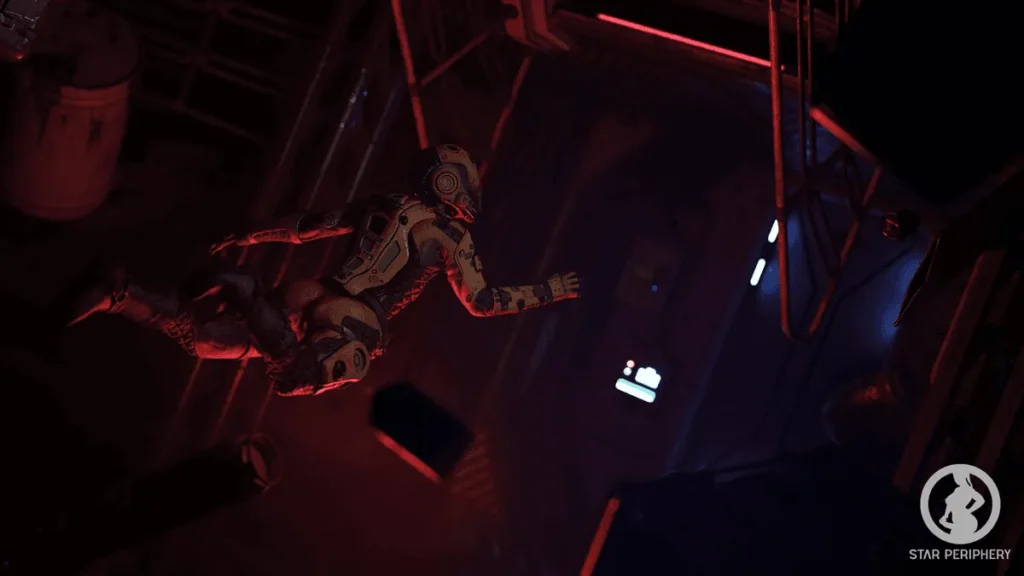


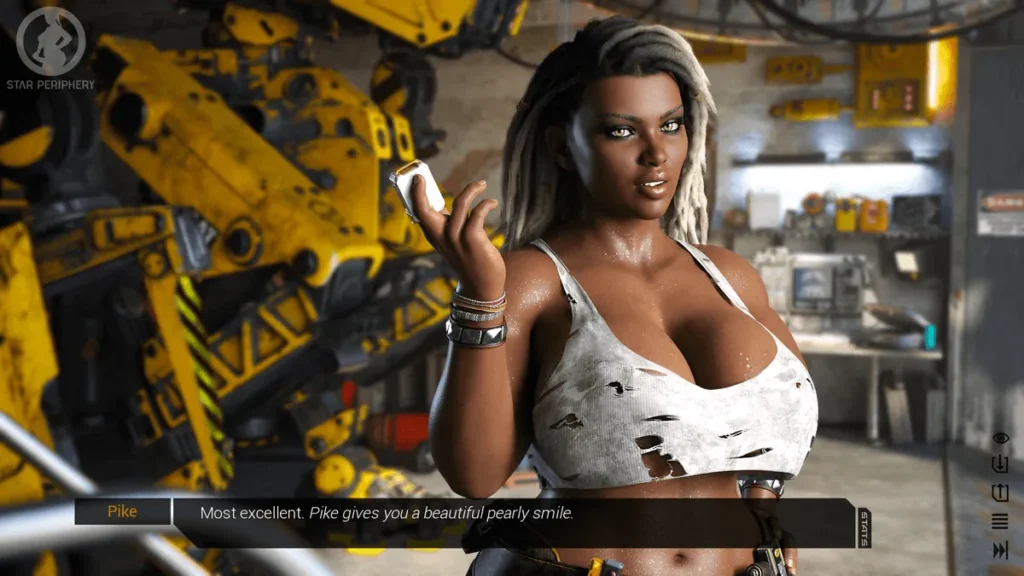



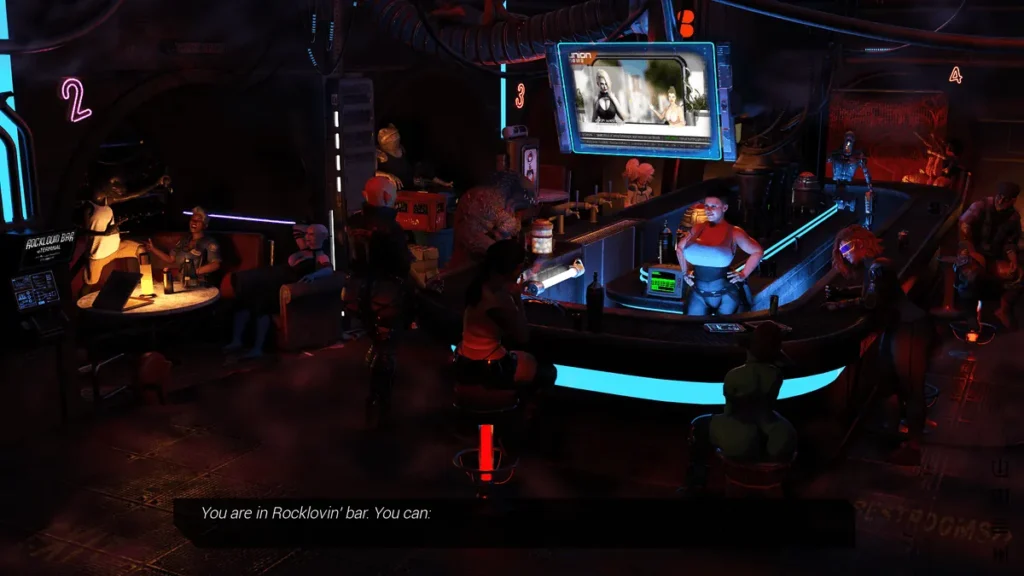
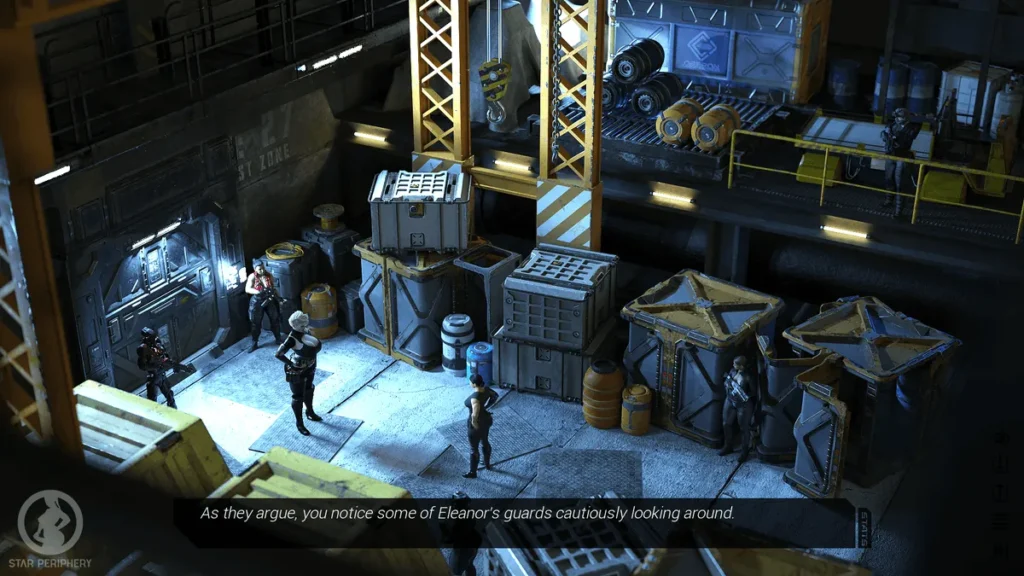
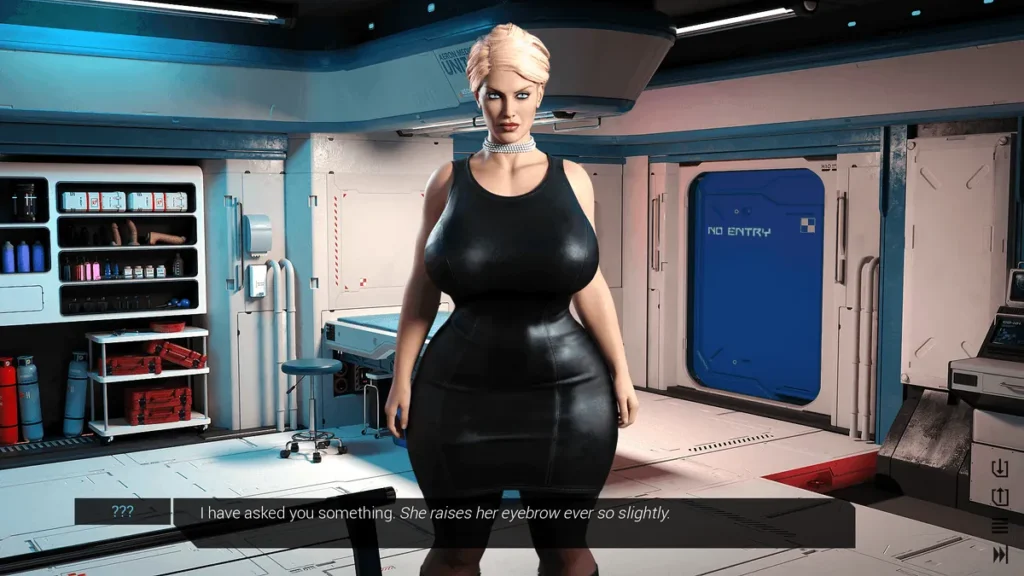

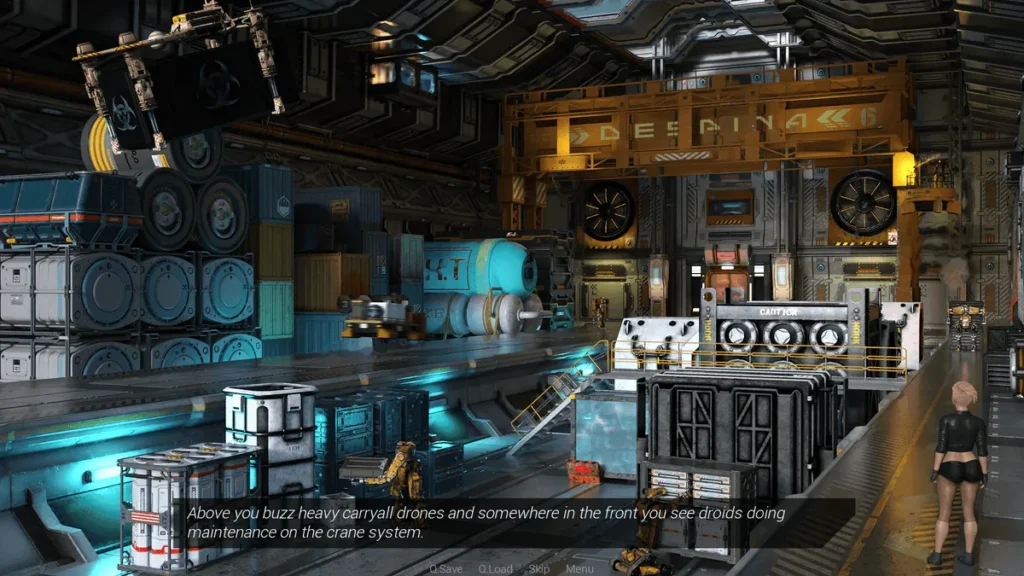
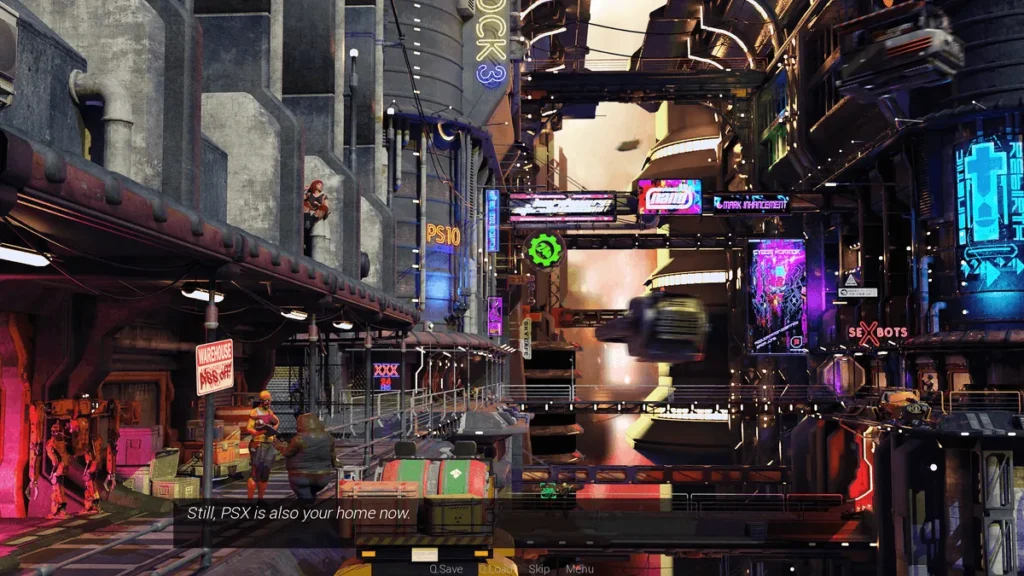
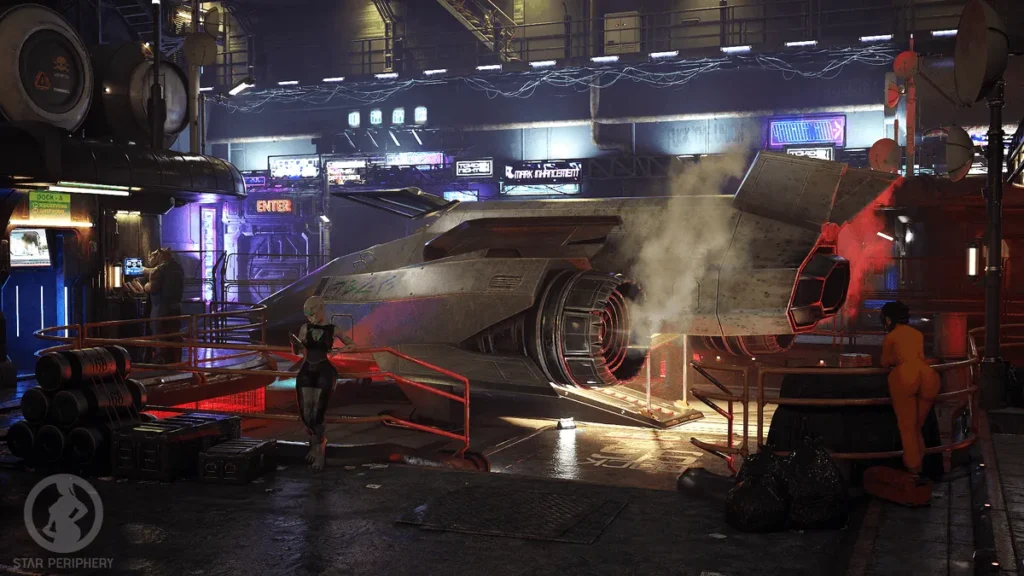
Star Periphery review
Exploring gameplay, story themes, and player experience in Star Periphery
Star Periphery drops you into a distant frontier where command decisions, relationships, and resource management all collide. When I first went looking for information about Star Periphery, I found scattered comments, a few short reviews, and lots of curiosity about how the game actually feels to play. In this guide, I’ll walk through the setting, systems, and choices that define Star Periphery, sharing what stood out to me, what took time to learn, and how the game balances strategic depth with character-driven encounters. Whether you are just discovering the title or deciding if it fits your tastes, this breakdown will help you know what to expect before you dive in.
What Is Star Periphery and Who Is It For?
So, you’ve seen the name Star Periphery popping up in your favorite game forums or directories. It sounds intriguing, maybe a little mysterious, but you’re not quite sure what it’s all about. Is it a pure strategy title? A visual novel? A spacefaring RPG? 🤔 Well, you’ve come to the right place. This chapter is your friendly, no-nonsense guide to what this Star Periphery game actually is, and—more importantly—whether it’s the kind of experience you’re looking for. Let’s dive in.
Star Periphery Overview: Premise, Themes, and Tone
At its heart, Star Periphery is a narrative-driven sci-fi management experience set on the lawless fringe of explored space. You aren’t just a pilot or a soldier; you’re a leader. Your job is to command a vessel and its eclectic crew, navigating not just treacherous star sectors but also the complex web of interpersonal relationships onboard. This dual focus on strategic command and personal drama is the game’s defining characteristic.
The core premise is brilliantly simple yet ripe for storytelling. You’re out on the frontier, where the rules of civilized space don’t apply. Every jump to a new sector is a gamble. You might find a lucrative trade opportunity, a derelict ship full of secrets, or a hostile faction looking for a fight. Resources like fuel, credits, and crew morale are constantly in flux, and your decisions directly impact your chances of survival. 🚀
But Star Periphery goes far beyond spreadsheets and resource bars. The story and tone are deeply woven into every mechanic. This is an adult sci fi game, and that designation isn’t just about explicit content—it’s about mature, often morally grey themes. You’ll deal with betrayal, ambition, desire, and the psychological strain of isolation. The narrative doesn’t shy away from darker elements, and the choices you make with your crew often carry significant emotional weight, blurring the lines between professional command and personal connection.
The tone masterfully swings between tense, high-stakes decision-making and quieter, character-focused moments. One minute you’re allocating power to shields during a skirmish, and the next, you’re navigating a delicate conversation in the ship’s mess hall that could determine a crewmate’s loyalty. This interplay makes your choices feel powerfully personal. Trading away a rare artifact for a needed engine part isn’t just a tactical move; it might deeply disappoint the crew member who found it, affecting their personal questline and your relationship with them. This Star Periphery overview reveals a game that is as much about managing people as it is about managing systems.
Who Will Enjoy Star Periphery and Who Might Skip It?
Figuring out who is Star Periphery for is crucial because this isn’t a game for everyone—and that’s perfectly okay! Knowing your own preferences will save you time and set the right expectations. Based on my time with it, here’s a breakdown.
Star Periphery will be a fantastic fit for you if:
* You love slow-burn, text-heavy experiences like interactive novels or deep role-playing games. Reading is your primary interaction.
* You enjoy sci-fi worldbuilding and lore, and the idea of exploring a gritty, lived-in frontier excites you. 🪐
* You get satisfaction from systemic management—juggling multiple resources, crew stats, and ship functions to keep your fragile operation alive.
* You’re comfortable with mature themes and narratives that explore complex relationships, moral ambiguity, and adult situations as part of the story fabric.
* You appreciate games where choices have lasting consequences, not just for the “mission success” screen, but for the characters and your ongoing story.
Think of it this way: if you’ve ever enjoyed a game that layers strategic simulation over a rich, character-driven narrative, you’ll likely feel right at home here.
Conversely, you might want to approach with caution or skip it if:
* You need fast-paced action or real-time combat. This game is menu-driven and contemplative.
* You prefer pure, mechanical strategy without narrative “interference.” The personal drama is not a side feature; it’s central to the gameplay loop.
* You are uncomfortable with explicit adult content or darker narrative themes. The game is upfront about its mature audience targeting.
* You have low patience for learning new UIs or dense systems. The initial hours involve digesting a lot of information.
My practical advice? Ask yourself: Do I want to be immersed in a story where I captain a ship, or do I want to optimize a starship’s efficiency? If your answer leans heavily toward the former, Star Periphery is calling your name.
To make it super clear, here’s a quick list for a self-check:
- You’ll Probably Love It If: You crave narrative depth, enjoy management sims with heart, and are looking for a mature, thoughtful sci-fi experience.
- You Might Want to Skip It If: Your ideal game is all about twitch reflexes, you dislike reading as a core gameplay mechanic, or you prefer lighter, less complicated tones.
My First Hours in Star Periphery: Learning the Ropes
My Star Periphery first impressions were a mix of overwhelming menus and immediate narrative intrigue. The game doesn’t hold your hand; it shakes it firmly, hands you a data-slate full of crew files and system reports, and expects you to start figuring things out. The onboarding is less of a tutorial and more of an immersive plunge into your new role. 💻
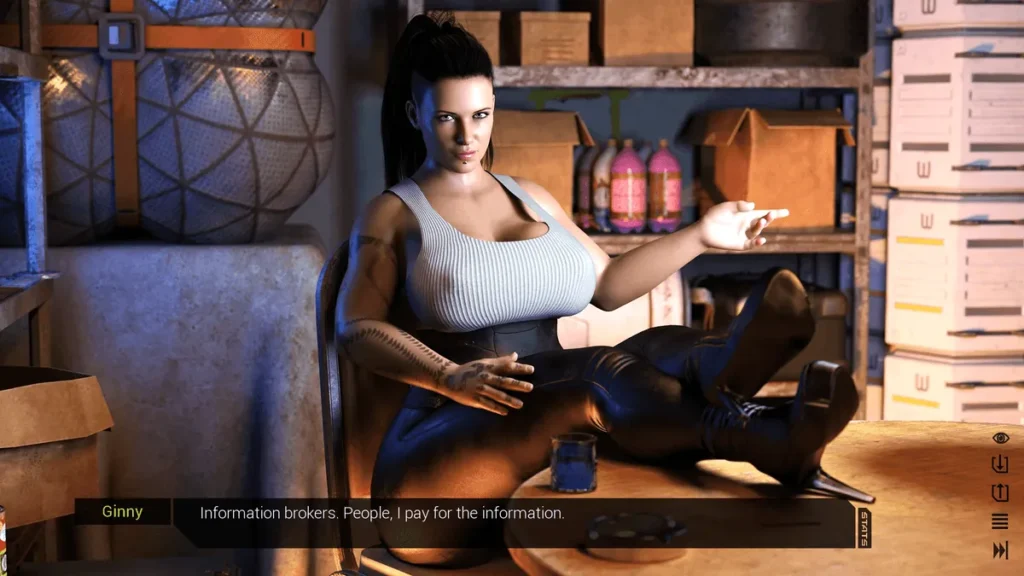
The user interface is dense. You have screens for navigation, ship systems, crew management, inventory, and communications. At first, I was confused by some of the stat symbols and how certain crew attributes influenced ship operations. Is “Volatility” good for an engineer or bad? Does a high “Empathy” stat help in trade negotiations or just in personal talks? It took a couple of minor crises to truly understand the connections.
What hooked me, though, wasn’t immediate mastery—it was a moment of impactful consequence. Early on, I jumped into a sector containing a dilapidated trading outpost, “The Rusty Bolt.” Here’s a fictional but very plausible example of how those first hours feel:
- The Strategic Layer: My fuel was low, and the outpost offered a refueling service at a steep credit cost. I could also attempt to trade some scavenged machine parts, but that would deplete my reserves for future repairs.
- The Social Layer: My security officer, a wary veteran named Kaelen, advised against trusting the outpost’s owner, citing irregular transmission logs. Meanwhile, my charismatic medic, Lin, believed we could get a better deal by appealing to the owner’s apparent loneliness.
- The Decision: I had to choose. Do I follow strict protocol (Kaelen’s advice), spend precious credits, and keep a safe distance? Or do I engage socially (Lin’s plan), risking potential danger for a better bargain and simultaneously showing trust in Lin’s judgment?
- The Outcome: I chose Lin’s approach. A branching conversation unfolded, requiring careful dialogue choices. It worked! We secured fuel at a 30% discount. But the victory was nuanced: Kaelen’s morale dipped slightly (“The Captain ignores security protocols”), while Lin’s loyalty and personal story progression jumped. Furthermore, the outpost owner, now friendly, offered a hint about a hidden cache in a nearby asteroid field—a new optional objective.
This one scenario, in my first 90 minutes, showed me everything about the Star Periphery game. It wasn’t just a transaction; it was a role-playing moment with strategic trade-offs and character repercussions. The “game” happened as much in the dialogue windows as it did in the resource screen.
To help visualize the pillars of these early hours, here’s a breakdown:
| Gameplay Pillar | First-Hours Experience | Initial “Aha!” Moment |
|---|---|---|
| Sector Navigation | Learning to read the star map, manage fuel, and weigh the risk/reward of unknown signals. | Finding a silent derelict ship that led to a mini-mystery, not just a combat encounter. |
| Crew Management | Monitoring morale, stress, and relationships via a detailed roster menu. | Seeing a positive event trigger because two crew members with high compatibility were assigned to the same duty shift. |
| Dialogue & Choices | Navigating text-based conversations that test persuasion, empathy, intimidation, or logic. | Failing a persuasion check and having to deal with the messy, interesting fallout instead of reloading. |
| Conflict Resolution | Handing early threats through a mix of tactical commands (divert power, return fire) and conversation trees. | Ending a potential pirate fight by bluffing about my ship’s combat readiness, saving precious hull integrity. |
Closing out these Star Periphery first impressions, the key takeaway is patience. This isn’t a game you blast through. It’s a slow-burn experience where learning the ropes is part of the journey. The reward for your patience is a deeply replayable and layered narrative where no two captains’ stories will be the same. You’re not just ticking off quests; you’re writing a personal, often messy, saga on the edge of space. If that sounds compelling, then your voyage into the Star Periphery has just begun. 🌌
Star Periphery stands out as a niche, slow-burn experience that blends frontier science fiction, strategic decision-making, and character-focused storytelling. Once you accept its pace and get comfortable with the interface, the core loop of managing your ship, navigating uncertain encounters, and shaping relationships can become surprisingly absorbing. If you are looking for a title that gives you room to role‑play a commander on the edge of known space, and you do not mind reading, reflection, and mature themes, Star Periphery is worth a closer look. The best way to decide is to try a session or two and see whether its mix of story, choices, and systems clicks with your personal taste.