Stars of Salvation
Play Stars of Salvation
Stars of Salvation Screenshots




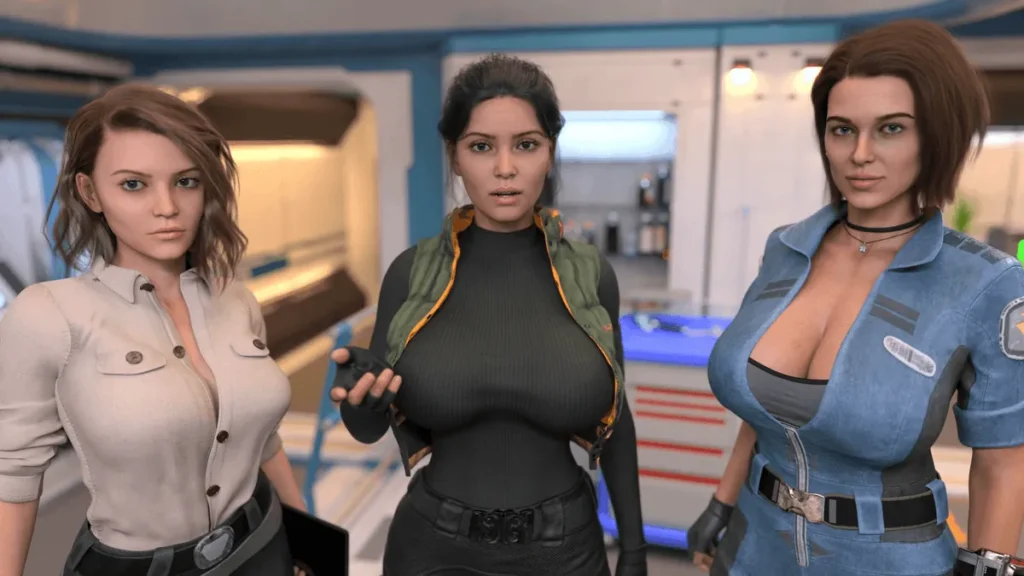
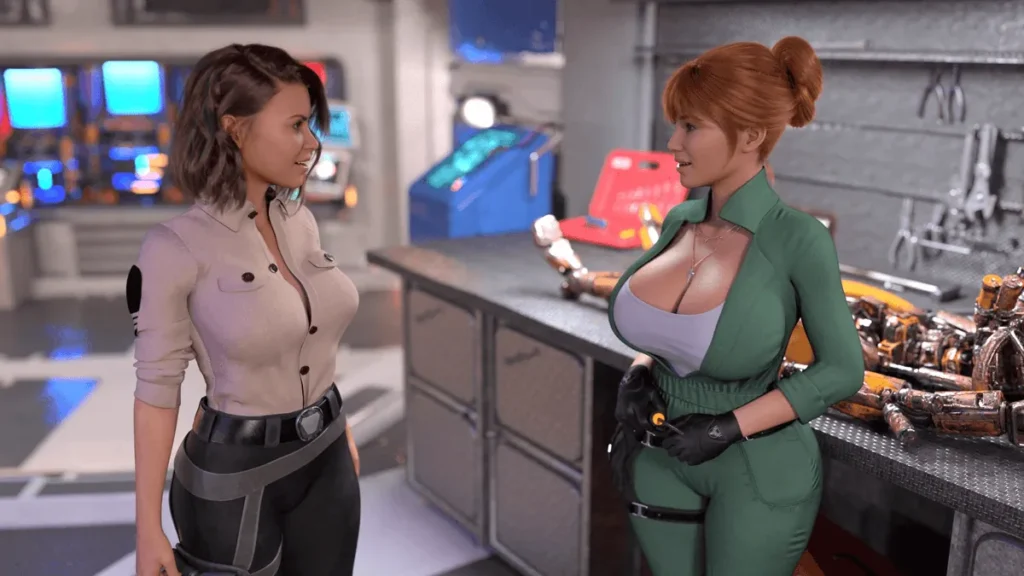
Stars of Salvation review
Explore the sci-fi visual novel experience with compelling storytelling and character dynamics
Stars of Salvation stands out as a unique sci-fi visual novel that combines engaging storytelling with interactive gameplay. The game opens with an intriguing premise: your character awakens on a mysterious space station with no memory of how they arrived, surrounded by a diverse crew caught in the midst of conflict. What makes this experience memorable is the blend of compelling narrative elements, character development, and the mystery of uncovering who to trust aboard the vessel. Whether you’re drawn to science fiction narratives or interactive storytelling, this game offers a distinctive adventure that keeps players invested in discovering what happens next.
Understanding the Stars of Salvation Narrative and Setting
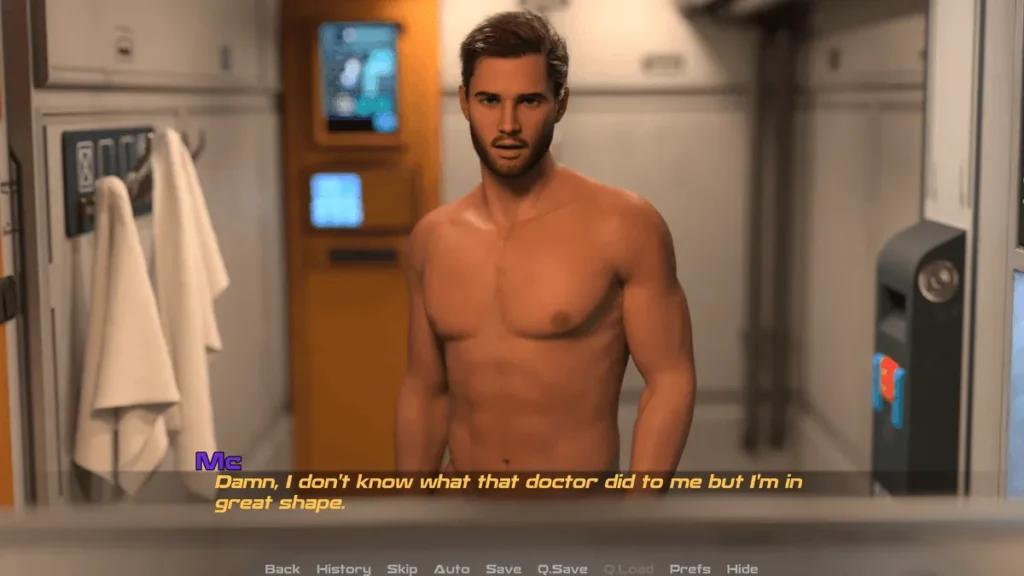
Ever booted up a game and immediately felt lost? Not the “where do I go” kind of lost, but the “who am I and why is everything beeping” kind? That’s the brilliant, disorienting hook of the Stars of Salvation story. You don’t just play a hero; you become a blank slate, waking up on a cold metal floor with a throbbing headache and a complete memory wipe. It’s a classic sci-fi setup, but here’s the twist: you’re not the chosen one arriving to save the day. You’re an unknown variable, a potential threat, and the entire narrative hangs on that delicious uncertainty.
From that first blurry moment, the sci-fi visual novel narrative grabs you by the collar. The station’s AI, a calm but wary voice, informs you that you’re on the Salvation, a vessel caught in a desperate war. The crew, a group of hardened soldiers, views you with a mix of suspicion and desperate hope. Are you a survivor? A spy? Their salvation or their doom? This immediate mystery is the engine of the entire interactive storytelling experience. I remember my first playthrough, frantically clicking through dialogue options, not to impress someone, but to desperately piece together my own identity. It turns the typical power fantasy on its head—you’re not in control; you’re trying to earn it.
“I went in expecting pretty characters and a simple love story. I was not prepared for the layers of intrigue. I spent hours second-guessing every conversation, completely hooked on uncovering the truth. It’s the most invested I’ve been in a game’s mystery in years.” – A player’s experience with the traitor mystery plot.
The Opening: Awakening in the Unknown
The genius of the opening in Stars of Salvation isn’t just the amnesia—it’s the atmosphere it creates. You’re not given a dossier or a history lesson. The world is built through subjective experience. The lighting is either too harsh or frustratingly dim. The distant hum of the station’s engines feels ominous. Every glance from a crew member is loaded with meaning you can’t yet decipher. This isn’t just a plot device; it’s the core of the interactive storytelling experience.
You learn about the raging war, the fragile state of the Salvation, and the crew’s dwindling resources through fragmented conversations and environmental clues. A scuff mark on a wall tells a story of a past struggle. A secured door hints at sections of the ship that are off-limits, perhaps dangerously so. This method of discovery makes the space station setting game feel alive and deeply personal. You’re not touring a location; you’re investigating your own prison, and every new piece of information could redefine your role in it. The sci-fi visual novel narrative uses your character’s ignorance as the player’s strength, making every revelation feel earned and significant.
The Space Station Environment and Atmosphere
The Salvation isn’t just a backdrop; it’s a character in its own right—a silent, brooding one that profoundly shapes the Stars of Salvation story. This isn’t a shiny, utopian starship. It’s a worn-down, battle-scarred vessel that feels lived-in and, more importantly, stressed. The space station setting game excels at environmental storytelling. As you explore, you’ll encounter:
- The Command Bridge: The nerve center, always buzzing with low-level anxiety. Maps of contested sectors glow on screens, a constant reminder of the war outside.
- Living Quarters: Sparse and personal. Here, you see glimpses of the crew behind their duties—a favorite book, a mended uniform, a small, cared-for plant fighting for life under artificial light. 🪴
- The Mess Hall: The social heart of the ship, where tensions and alliances play out over recycled protein packs and synthetic coffee.
- Engineering & Maintenance: The gritty, oily underbelly of the Salvation. This is where the strain on the ship is most visible, with patched-up conduits and the constant threat of system failures.
- The Observation Deck: A place of haunting beauty and isolation. Here, you can see the vast, uncaring void of space—a stark contrast to the claustrophobic drama inside the ship.
The atmosphere is a masterclass in building tension. The lighting is often clinical and cold, casting long shadows in the corridors. The sound design mixes the comforting, constant hum of life support with sudden, jarring alerts that make you jump. This environment directly feeds the traitor mystery plot. With the ship itself feeling so vulnerable, the idea that one of the people maintaining it could be working against you becomes a terrifying possibility. Every creak of the hull and flicker of a light starts to feel intentional, suspicious. You’re not just getting to know the crew; you’re learning the ship’s moods, and it feels like it’s watching you back. 🛰️
Character Relationships and Trust Dynamics
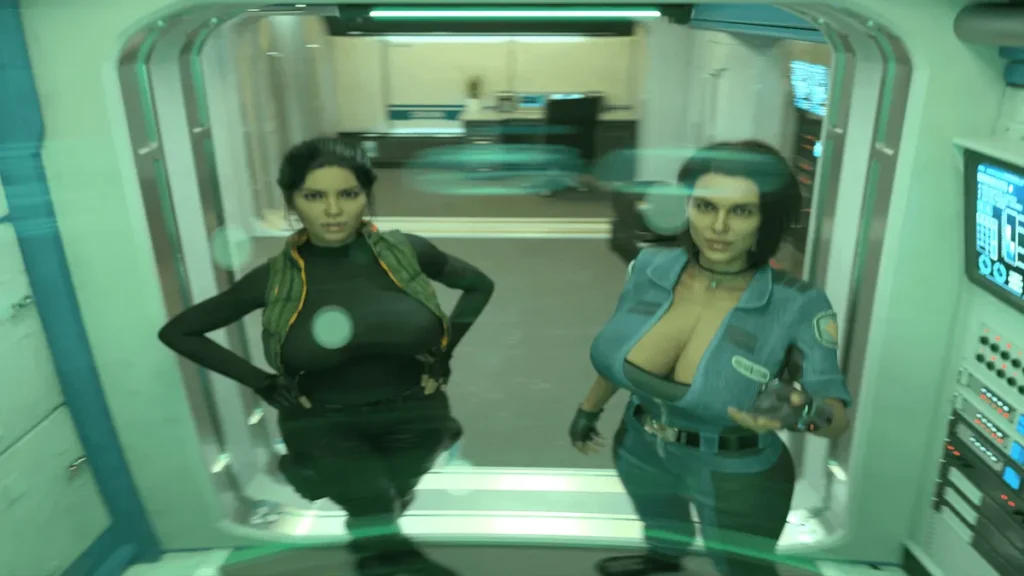
This is where Stars of Salvation truly shines and separates itself from other visual novels. The character relationships visual novel aspect is not a side activity; it’s the primary gameplay loop and the key to survival. Every major crew member you meet is not just a potential romantic interest but a vital piece of the puzzle, each with their own fears, loyalties, and secrets.
The core mechanic driving these connections is the brilliant trust mechanics gameplay. Your dialogue choices and actions don’t just fill a “like” meter; they directly alter how each character perceives your reliability and intent. Agree with the cautious security officer too often, and the compassionate medic might see you as cold and untrustworthy. Share a moment of vulnerability with the engineer, and the by-the-book pilot might question your professionalism. This system creates a fantastically delicate balancing act.
You’re constantly managing these perceptions, because trust is your currency. A character who trusts you might:
* Reveal a crucial piece of evidence about the ship’s malfunctions.
* Share a personal secret that sheds light on another crew member’s motives.
* Give you access to a restricted area.
* Back you up in a critical argument that decides the crew’s next move.
Conversely, sowing distrust can close doors, turn allies into obstacles, and even put you in direct danger. It makes every conversation a high-stakes game of social deduction, perfectly intertwining with the traitor mystery plot. You’re looking for the traitor while also trying to convince everyone you’re not it. It’s an incredibly engaging interactive storytelling experience that had me replaying scenes just to see how a different tone or piece of shared information would change the web of alliances.
To help you navigate the complex social landscape of the Salvation, here’s a breakdown of the key crew members you’ll need to understand, befriend, or cautiously watch:
| Character | Role on the Salvation | Key Personality Traits | Relationship Dynamics & Player Strategy |
|---|---|---|---|
| Commander Elara Vance | Station Commander | Authoritative, Burdened, Secretive, Pragmatic | She carries the weight of every life aboard. Gain her trust by showing strategic thinking and respect for the chain of command. Question her decisions too openly, and she’ll see you as a destabilizing element. Her trust unlocks the big-picture narrative. |
| Lt. Maya Kaelen | Security Chief | Suspicious, Disciplined, Protective, Direct | Your de facto warden. She is your biggest skeptic and your most valuable ally if convinced. Be transparent and cooperative. Getting on her bad side means lost privileges and constant surveillance. Earning her faith is a slow but critical burn. |
| Dr. Anya Petrova | Chief Medical Officer | Compassionate, Inquisitive, Ethical, Worried | She sees you first as a patient, then as a person. Show empathy for the crew and a desire to help. She is a fountain of personal gossip and psychological insights into others, but betray her ethical principles at your peril. |
| Chief Engineer Rhea Sol | Engineering Lead | Brilliant, Sarcastic, Loyal to the Ship, Cynical | She speaks the language of the Salvation better than anyone. Show curiosity about how things work and respect for her domain. She has little patience for command politics but knows every irregularity in the ship’s data logs—potential clues to sabotage. |
| Pilot Kaida Jin | Lead Pilot/Scout | Daring, Independent, Observant, Restless | She operates on instinct and hates feeling confined. Appeal to her sense of adventure and honesty. She often sees and hears things others miss during her scout runs, making her intel priceless, but she’ll only share it if she finds you genuine. |
Navigating this web of character relationships visual novel style is what makes the Stars of Salvation story so replayable. Your choices create a unique narrative fingerprint. In one playthrough, you might forge a deep bond with the compassionate Doctor Petrova, uncovering a medical mystery that hints at the traitor’s methods. In another, you might ally with the cynical Engineer Sol, discovering the sabotage through system logs and pure technical deduction. The trust mechanics gameplay ensures that no two journeys to uncover the traitor mystery plot are ever the same.
Ultimately, the narrative of Stars of Salvation is a masterful blend of personal intimacy and cosmic-scale tension. It proves that the most compelling sci-fi visual novel narrative isn’t just about flashy technology or epic battles, but about people—flawed, scared, brave people—trying to find truth and connection in the cold, infinite dark. It asks a simple, powerful question: on a ship where anyone could be the enemy, who will you choose to trust? Your answer writes the story. ✨
Stars of Salvation delivers a memorable experience for players seeking a sci-fi visual novel with depth and engagement. The game successfully combines an intriguing narrative about awakening on a mysterious space station with interactive gameplay that emphasizes relationship building and meaningful choices. The well-developed story, diverse character roster, and the central mystery of uncovering who to trust create a compelling reason to explore the game’s branching paths. While the game’s appeal depends on enjoying sci-fi themes and being comfortable with the interactive visual novel format, those who appreciate thoughtful storytelling alongside engaging mechanics will find much to enjoy. Whether you’re drawn to the narrative intrigue, character interactions, or the overall sci-fi atmosphere, Stars of Salvation offers a distinctive gaming experience that rewards exploration and engagement with its world.