Tales of Unity
Play Tales of Unity
Tales of Unity Screenshots
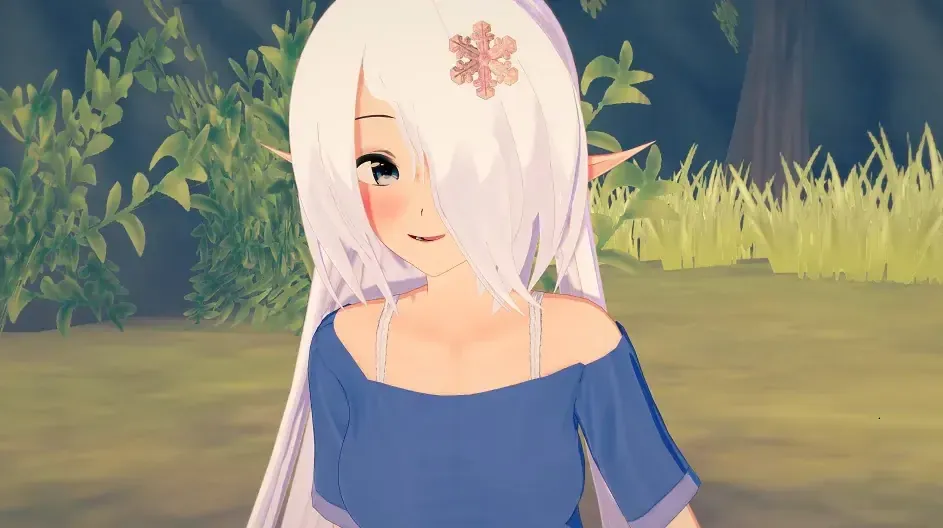
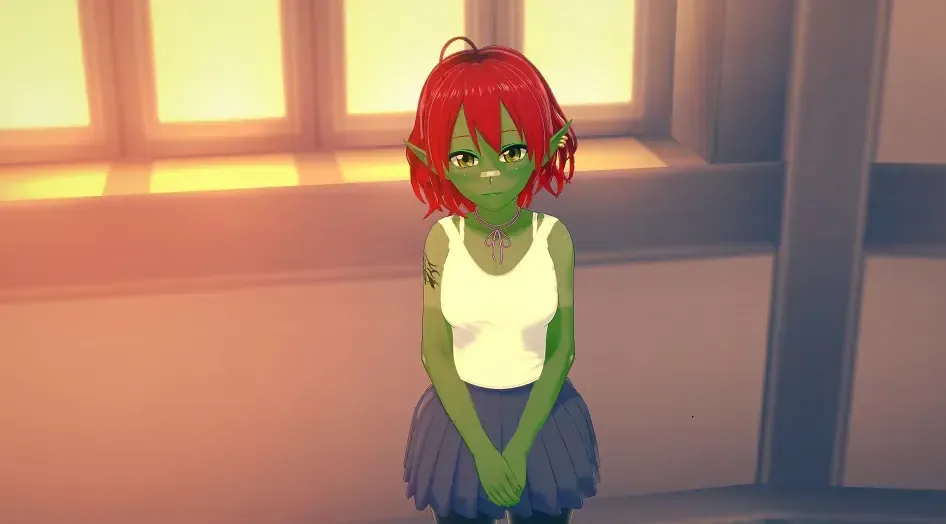
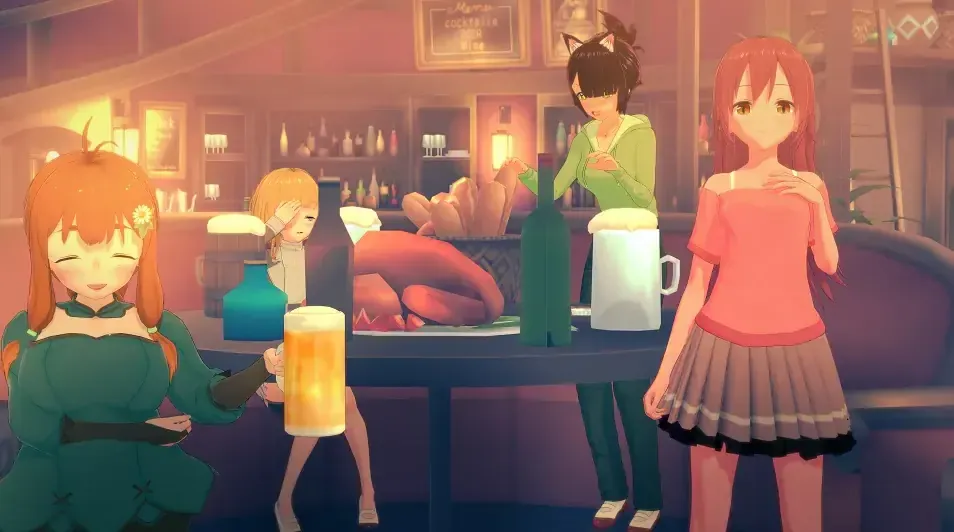
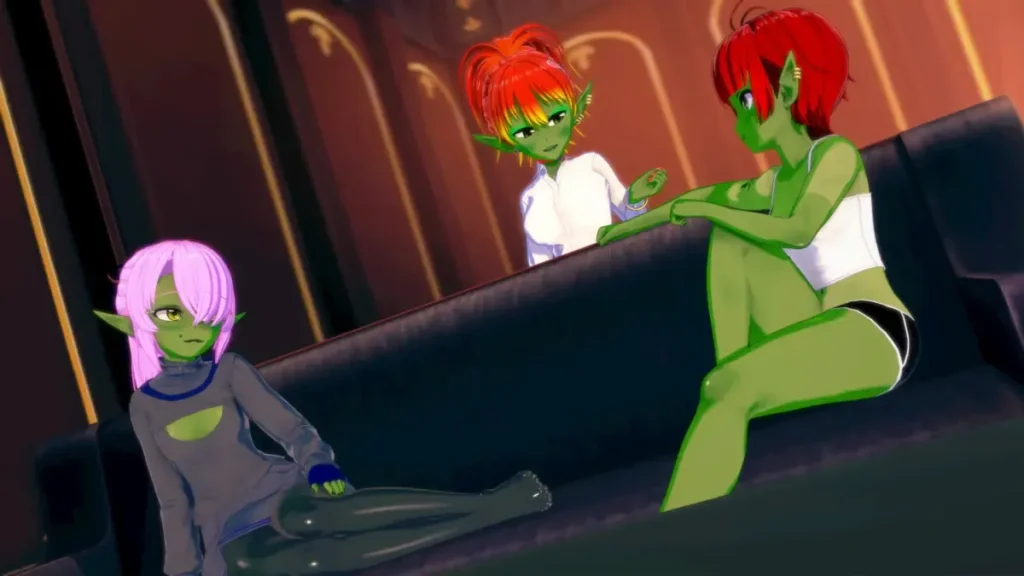
Tales of Unity review
An in-depth look at Tales of Unity — gameplay, narrative, and player tips
Tales of Unity is a character-driven interactive title that blends narrative depth with mature content to create a distinctive player experience. In this article I walk through the game’s core systems, story beats, and practical tips for getting the most from a playthrough while sharing personal impressions and short anecdotes from my own sessions. Whether you’re deciding whether to try the game or looking to deepen your play, this guide covers what matters most: story structure, mechanics, pacing, and community resources.
Overview: What is Tales of Unity?
Let’s be honest, my first few minutes with Tales of Unity were spent just staring at the screen. 🎨 I’d clicked past the age gate, expecting… well, I wasn’t sure. But what I found wasn’t just another title in my library; it was a stunning piece of art and a quiet, powerful prompt on the main menu. That initial moment of visual and atmospheric beauty perfectly set the stage for what this experience truly is. Before we dive into the deep end of gameplay and choices, let’s start with the fundamental question: what exactly is this game?
This Tales of Unity overview will unpack everything you need to know before you begin: who made it, what it feels like to play, the mature stories it tells, and whether it’s the right fit for you. Think of this as your friendly guide to getting acquainted. ✨
Origins and developer intent
Every great story has an author, and understanding the creator often sheds light on the creation itself. Tales of Unity is the passionate project of a relatively small but fiercely dedicated studio, Lunar Lockdown. 🚀 When researching the Tales of Unity developer, you quickly uncover a team obsessed with narrative depth and character authenticity.
Their stated goal wasn’t just to make a game, but to craft an interactive, emotional journey where relationships are the primary gameplay mechanic. In early developer logs, they talked about moving beyond simple titillation to explore the complexities of connection, consent, and consequence. The Tales of Unity developer team emphasized a “character-first” philosophy, aiming to write individuals who feel lived-in, flawed, and genuinely changed by your interactions. This intent is felt in every dialogue branch and subtle animation.
I remember reading an interview where the lead writer said, “We wanted players to care about the ‘after’ just as much as the ‘during.’” That commitment to emotional fallout and lasting impact, rather than just momentary excitement, is what initially hooked my curiosity. It promised a Tales of Unity experience with real weight behind every decision.
Genre, format, and core themes
So, what do you actually do in this game? At its heart, Tales of Unity is a visual novel through and through. This isn’t a game about quick-time events or complex stats (though choices matter immensely!). It’s about reading, watching, listening, and deciding. You’ll progress through a beautifully illustrated story, making key choices at branching points that steer relationships and plotlines in profound directions. 🧭
The format is episodic, with chapters released in a narrative arc. This approach allows the Tales of Unity visual novel to build tension and develop characters over time, much like a favorite TV series. Each episode ends with a sense of anticipation, making you genuinely eager for the next installment. The production values are standout—the original soundtrack sets the mood perfectly, and the character sprites are expressive, with subtle details that convey emotion far beyond the text.
Now, let’s talk about the soul of the story. The Tales of Unity story themes are mature, nuanced, and often beautifully messy. They revolve around:
- The Architecture of Intimacy: How do we build trust? What breaks it? The game explores emotional and physical closeness not as a foregone conclusion, but as a fragile, built thing.
- Choice and Consequence: Your decisions aren’t just about who to romance; they affect character mental states, group dynamics, and the overall narrative trajectory. A thoughtless word in Chapter 2 can echo painfully in Chapter 5.
- Personal Growth and Trauma: Characters arrive with pasts—baggage that shapes their present. A core theme is navigating that history, both your own and others’.
- Found Family & Belonging: Beyond romance, Tales of Unity spends significant time on the bonds of friendship and the struggle to find a place where you are truly accepted.
These Tales of Unity story themes are woven together into a tapestry that feels refreshingly adult, not just in content, but in its thematic concerns. It treats its subjects and its players with a level of respect that is immediately noticeable.
Who this game is for (audience and content warnings)
Because of its thoughtful yet explicit exploration of mature themes, it’s crucial to discuss who will connect with Tales of Unity—and who might want to steer clear. This isn’t a casual pick-up-and-play title for everyone; it’s a specific, impactful experience for a willing audience. 👥
First, the Tales of Unity content warning. This game is unabashedly for adults. It contains:
* Graphic, consensual adult content integral to character and relationship development.
* Themes involving psychological trauma, anxiety, and past emotional abuse.
* Strong language and intensely emotional interpersonal conflicts.
* Complex discussions about mental health and relationship boundaries.
The Tales of Unity developer doesn’t shy away from this; in fact, they front-load it. The game is age-gated on all platforms, requiring a confirmation of your age before purchase or download. This isn’t just a legal checkbox—it’s a deliberate filter to ensure the audience is prepared for the narrative journey. A thoughtful Tales of Unity content warning is also presented in-game before the story begins, detailing specific potential triggers. This empathetic approach is something I deeply appreciated; it frames the experience responsibly.
So, who is this for? Tales of Unity is perfect for players who:
* Love narrative-driven games where choices have tangible, long-term consequences. 🤔
* Appreciate complex character studies and slow-burn relationship building.
* Seek out visual novel experiences with high-quality art and production.
* Are comfortable with and interested in mature, adult-oriented stories that tackle difficult themes with care.
It’s likely not for players who:
* Prefer action-oriented gameplay or minimal reading.
* Are uncomfortable with explicit sexual content as a narrative device.
* Seek a lighthearted or purely escapist romantic fantasy.
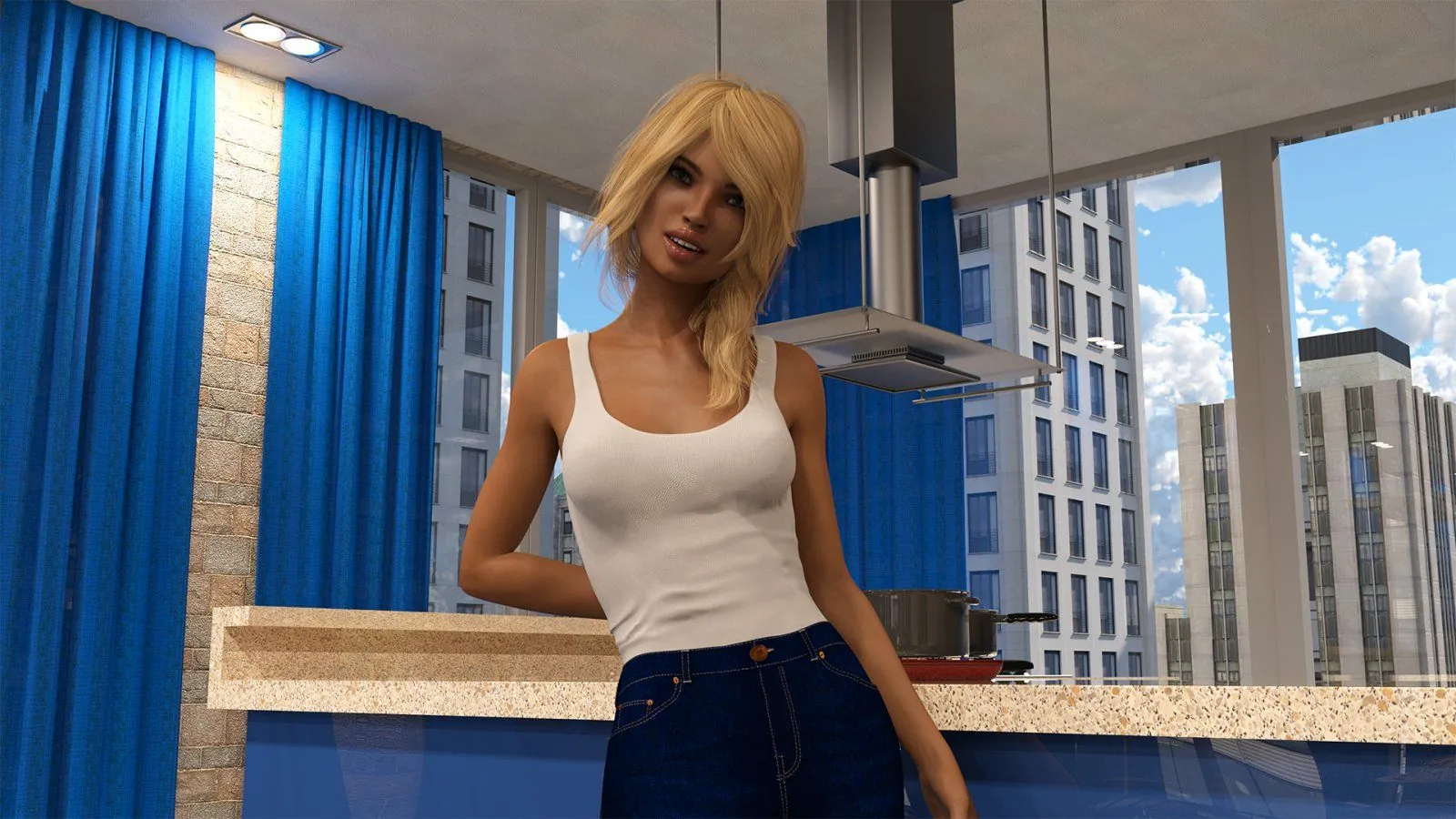
My own first session was a two-hour deep dive that felt like reading a compelling novel. I was immediately struck by the tempo—it takes its time, allowing quiet moments to breathe and tensions to simmer. The art style is a gorgeous blend of painterly backgrounds and crisp, animated character portraits where a slight shift in a character’s eyes can convey a universe of feeling. A very early scene involves a simple late-night kitchen conversation that masterfully establishes history, tension, and vulnerability without any melodrama. It told me I was in capable hands. 🤝
What to Expect: Playtime and Session Feel
Finally, a practical bit: the investment. Tales of Unity playtime will vary significantly based on your reading speed and how much you linger on the gorgeous artwork and soundtrack. For a complete playthrough of all currently available episodes, most players report a total of 18 to 25 hours. A single episode typically offers 3-5 hours of content.
A typical session feels less like “gaming” and more like settling in with a good book or a immersive film. It’s a Tales of Unity experience best enjoyed with headphones to soak in the atmospheric score, and without rushing. This isn’t a title you grind through; it’s one you savor, perhaps an episode at a time, letting the decisions and their implications marinate. The Tales of Unity playtime is substantial, offering a deeply developed world that rewards your emotional investment.
To wrap up this Tales of Unity overview, the game is a bold, narrative-focused visual novel that prioritizes mature character drama and consequential choice above all else. It’s a specific, often intense experience crafted by a Tales of Unity developer with a clear, character-driven vision. By understanding its story themes and heeding its content warning, you can determine if you’re ready for its powerful, emotionally engaging journey. If you are, you’re in for a memorable ride.
| Platform | Estimated Full Playtime | Format & Rating |
|---|---|---|
| PC (Primary Platform) | 18 – 25 hours | Episodic Visual Novel, 18+ Age Gate |
| Mac | 18 – 25 hours | Episodic Visual Novel, 18+ Age Gate |
| Linux | 18 – 25 hours | Episodic Visual Novel, 18+ Age Gate |
Tales of Unity is a narrative-first interactive title that pairs character-driven writing with mature thematic content and mechanics that reward exploration and repeated playthroughs. Throughout this guide I covered the game’s origins, narrative structure, systems, audiovisual presentation, community environment, and ethical considerations, and I shared actionable tips and personal observations to help new and returning players. If you’re curious, try a cautious first session using the save checklist, explore one character route fully, and consult community guides for hidden branches — then decide whether to continue based on which storylines resonated most with you.