
The Restaurant
Play The Restaurant
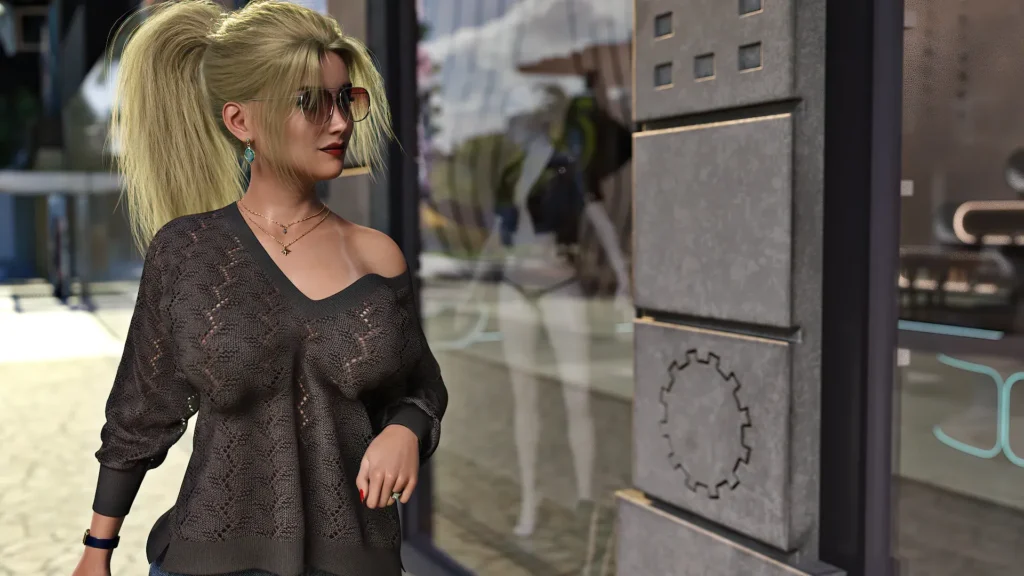
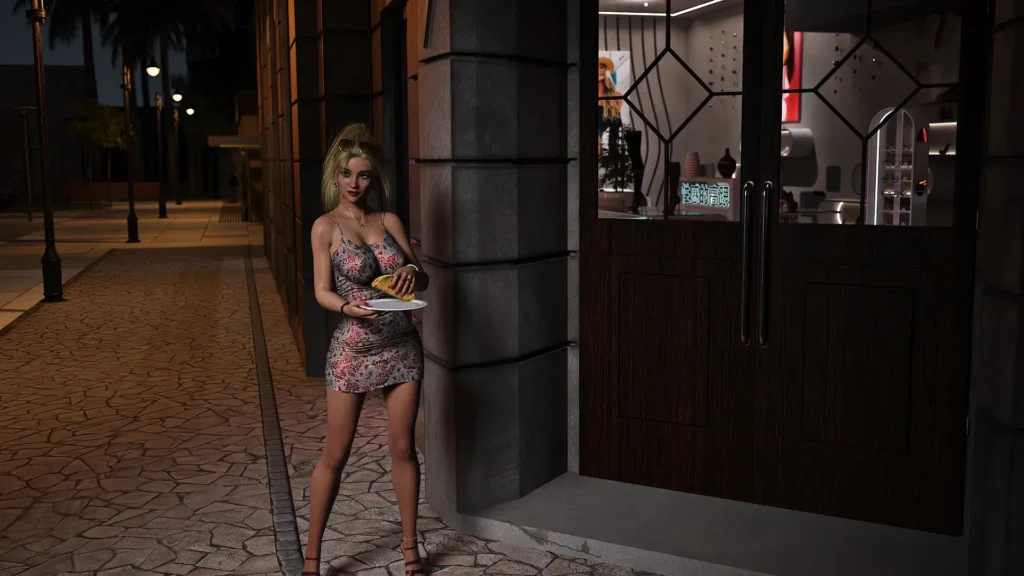
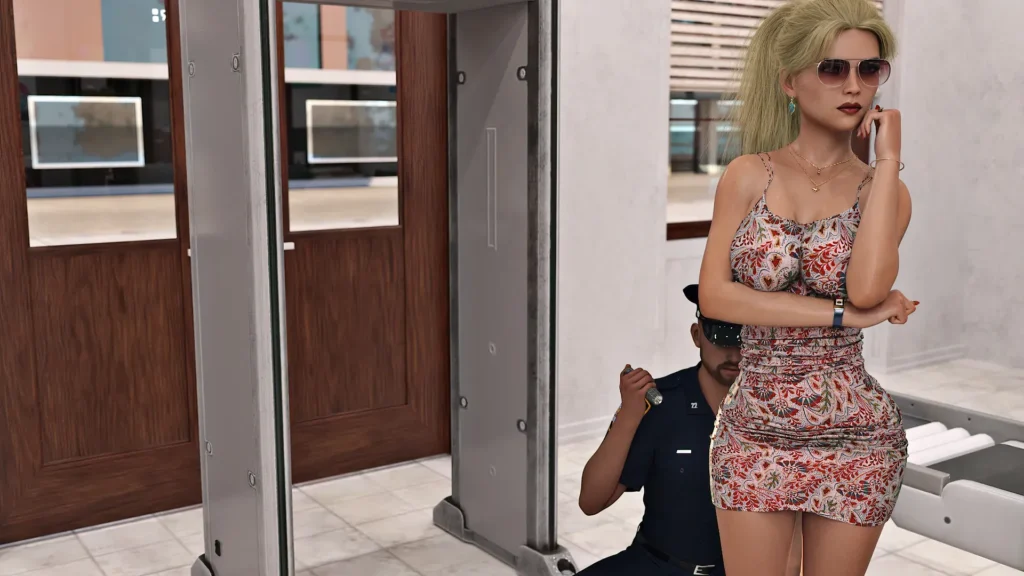
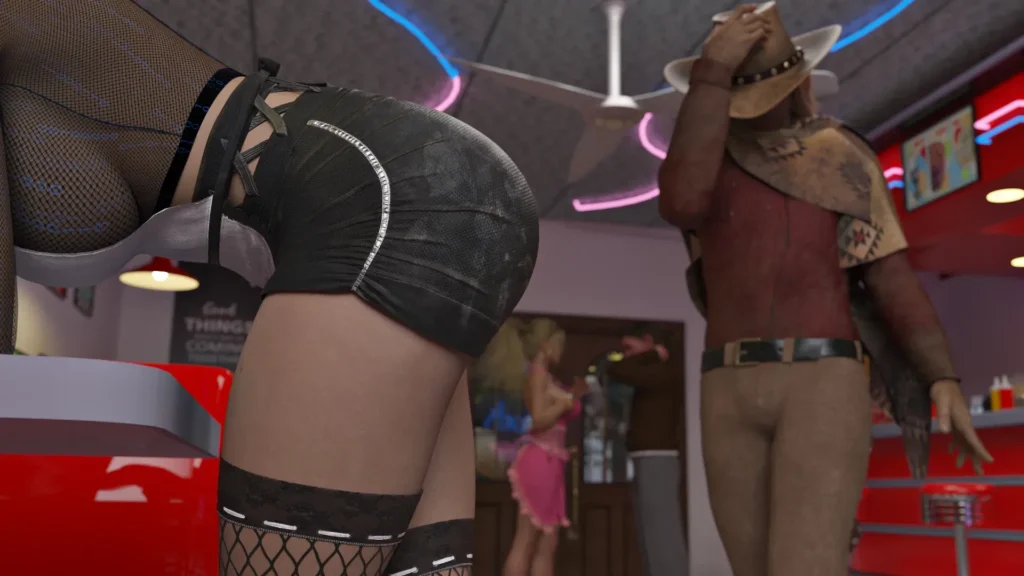
The Restaurant Screenshots

















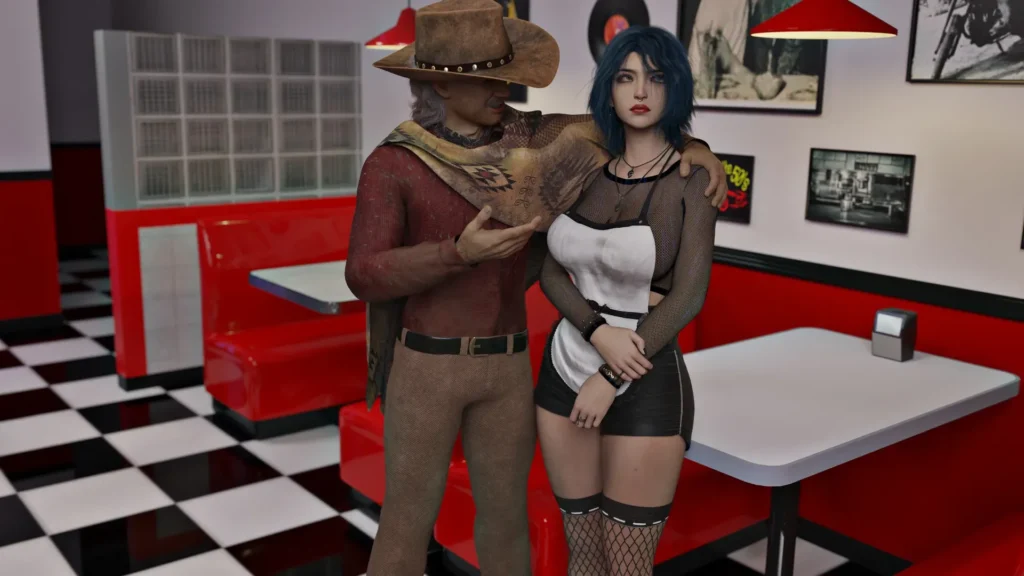




The Restaurant review
Explore the unique blend of storytelling and gameplay in The Restaurant
The Restaurant game offers a deeply immersive experience that combines narrative-driven storytelling with engaging management gameplay. Set entirely within a single eatery, players step into the shoes of a new employee navigating complex relationships and business challenges. This article dives into the core mechanics, story elements, and character interactions that make The Restaurant a standout title for fans of interactive, choice-based games.
Understanding The Restaurant Game: Gameplay and Narrative
Picture this: You’re the new owner of a little restaurant. The paint is chipped, the kitchen equipment groans, and your first customer is already tapping their foot impatiently. Do you rush to cook their order, hoping to please them, or do you first calm down your only chef, who’s on the verge of quitting? This isn’t just a logistical puzzle—it’s the first narrative choice in a much larger story.
Welcome to The Restaurant game, a title that does something truly special. It takes the familiar framework of a restaurant management game and weaves it into a rich tapestry of human drama, making every decision you make—from the menu to the conversations—matter in a profound way. This chapter dives deep into how this unique blend of management and story creates an unforgettable experience. 🍽️✨
What Makes The Restaurant Unique?
Most management games are about expansion. You start with a lemonade stand and end up with a global empire. The Restaurant flips this script entirely. Its genius lies in its focus, its beautiful, almost claustrophobic, intimacy. The entire experience unfolds within the four walls of your single establishment.
Think about it. Instead of managing a faceless chain, you are managing a place. You learn every creaky floorboard, the exact spot where the afternoon sun hits the tables, and the personal histories of every person who walks through the door. This confined setting isn’t a limitation; it’s the game’s greatest strength for interactive storytelling. The space itself becomes a character, its atmosphere shifting with your successes, failures, and the unfolding drama.
I remember one in-game evening where a regular, an elderly man named Arthur, sat at his usual corner table. The kitchen was backed up, and my instinct as a “manager” was to prioritize the new, larger party. But the story hinted he was lonely. I chose to have my avatar sit with him for a few minutes. There was no tangible “resource” gained, but the emotional payoff—and a later story branch that opened up because of our growing friendship—was worth more than any five-star review. This is the heart of the game: it’s a restaurant management game where sometimes, the best management is putting the spreadsheet away and just listening.
Core Gameplay Mechanics Explained
At its functional core, The Restaurant game presents you with a delicate balancing act. The gameplay mechanics are the gears that turn this narrative machine, and understanding them is key to enjoying the ride. You’re juggling three main areas: Resources, Staff, and Customers.
- Resource Management: This is your classic bread and butter (literally). You manage finances, inventory, menu prices, and equipment upgrades. Running out of ingredients mid-service triggers a minor crisis. Do you send a staff member to the market (taking them off the floor) or offer a substitute to the customer (risking their displeasure)?
- Staff Interaction: Your team isn’t just a set of skills. They have personalities, moods, and relationships with each other. A waiter might be brilliant but prone to gossip that upsets the kitchen. You can assign shifts, give raises, or have heart-to-heart talks. Their loyalty and happiness directly impact efficiency and unlock personal story quests.
- Customer Service: Every patron has a name and a type. Some are rushed, some are critics, some are celebrating. You can choose to greet them personally, recommend dishes, or handle complaints. Each interaction is a tiny narrative choice that builds their opinion of your place.
The magic happens when these systems collide. A broken oven (resource) slows service, stressing your chef (staff), leading to a cold meal for a VIP customer (service). How you choose to solve this chain reaction—apologize profusely, comp the meal, blame the chef, or offer a free drink—writes a unique line in your restaurant’s story.
To make this clearer, let’s break down how these core loops feed into your overall experience:
| Gameplay Mechanic | Your Direct Actions | Impact on Narrative & Experience |
|---|---|---|
| Kitchen & Menu Management | Setting prices, ordering stock, creating daily specials, upgrading appliances. | Defines your restaurant’s identity (is it a cozy bistro or a high-end venue?), attracts different customer types, and triggers specific story events (e.g., a food critic visit). |
| Staff Management | Scheduling shifts, resolving conflicts, giving performance talks, awarding bonuses. | Deepens character relationships, unlocks loyal staff subplots, and directly affects service quality which influences customer storylines. |
| Customer Interaction | Personally greeting tables, handling complaints, making recommendations, remembering preferences. | Creates recurring “regular” characters, opens branching story paths for individual patrons, and builds your restaurant’s reputation within the game’s world. |
| Dialogue & Decision Points | Choosing conversation responses during key moments with staff and customers. | The primary driver of interactive storytelling. These choices can resolve conflicts, start romances, uncover secrets, and permanently alter how characters view you and your establishment. |
How Narrative Choices Shape Your Experience
If the mechanics are the skeleton, the narrative is the soul. The Restaurant game is built on the idea of branching story paths. Almost every significant interaction presents you with a choice, and these choices compound to create a story that is uniquely yours. This goes far beyond a simple “good” or “bad” ending.
Let’s talk about character relationships. Early on, you might hire a talented but arrogant sommelier. A few days later, your hardworking head server complains about his attitude. You’re presented with a choice: side with the server and reprimand the sommelier, side with the sommelier for the sake of his expertise, or try to mediate a compromise.
- Choice A might lead to the sommelier quitting, losing you his skills but boosting overall team morale.
- Choice B might cause your head server to lose motivation or even leave, disrupting your service flow.
- Choice C could begin a slow-burn subplot where you help them find common ground, eventually leading to a powerful professional bond and a special event where they create a perfect wine-pairing menu together.
This is just one thread. You might also be juggling a budding romance between two other staff members, helping a regular customer through a divorce, or deciding whether to invest in a shady but lucrative supply deal offered by a local grocer. The narrative choices you make determine which stories you see, how they end, and ultimately, what kind of community your restaurant becomes. 🎭❤️
The balance is where the game sings. You can’t just be a hopeless romantic meddling in everyone’s lives—the dinner rush waits for no one. Conversely, you can’t be a ruthless efficiency robot—your staff will walk out, and your regulars will stop coming. The most rewarding path is to be a true restaurateur: part businessperson, part community leader, and part confidant.
My biggest insight? Treat every play session like you’re living a day in this world. Don’t just click through dialogue. Read it. Consider who the character is and what your avatar would say. The pressure to always optimize for profit will often clash with the “right” human decision. Embracing that tension is where The Restaurant becomes more than a game—it becomes a memorable story about people, place, and the small choices that define both.
Your restaurant is more than a business; it’s a stage, a refuge, and a home. Every dish served, every conversation had, and every decision you make from the kitchen to the dining room floor writes another line in its unique, unfolding story. That is the captivating promise of The Restaurant game.
The Restaurant game masterfully blends management simulation with rich, character-driven storytelling, offering players a unique and engaging experience. By balancing operational challenges with meaningful interactions, it creates a dynamic world where every choice matters. Whether you enjoy immersive narratives or strategic gameplay, The Restaurant invites you to explore its layered stories and shape your own path within its walls. Dive in and discover how your decisions influence the fate of this vibrant eatery.