Play Treasure of Nadia
Treasure of Nadia Screenshots




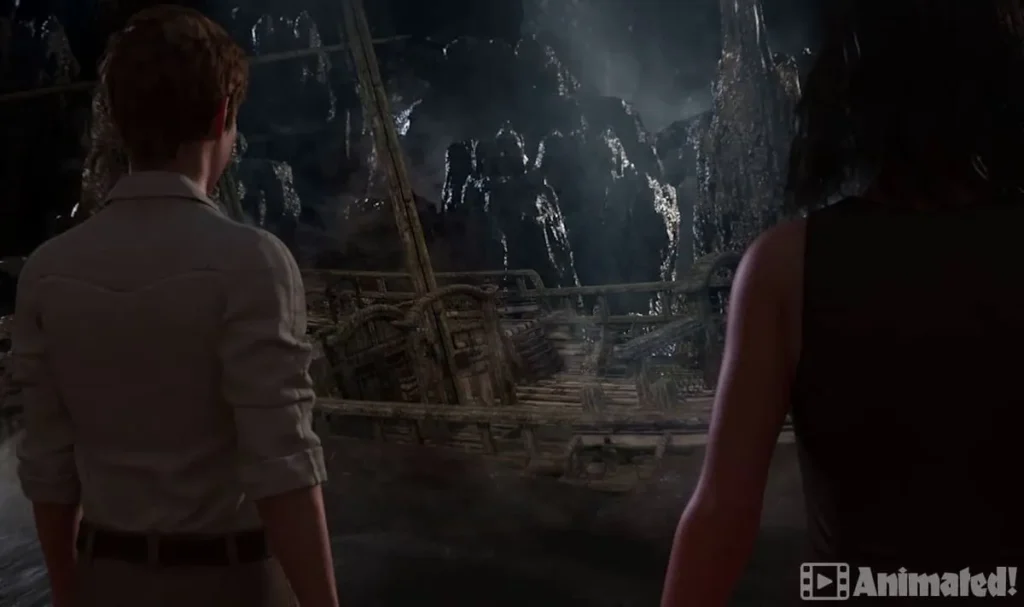

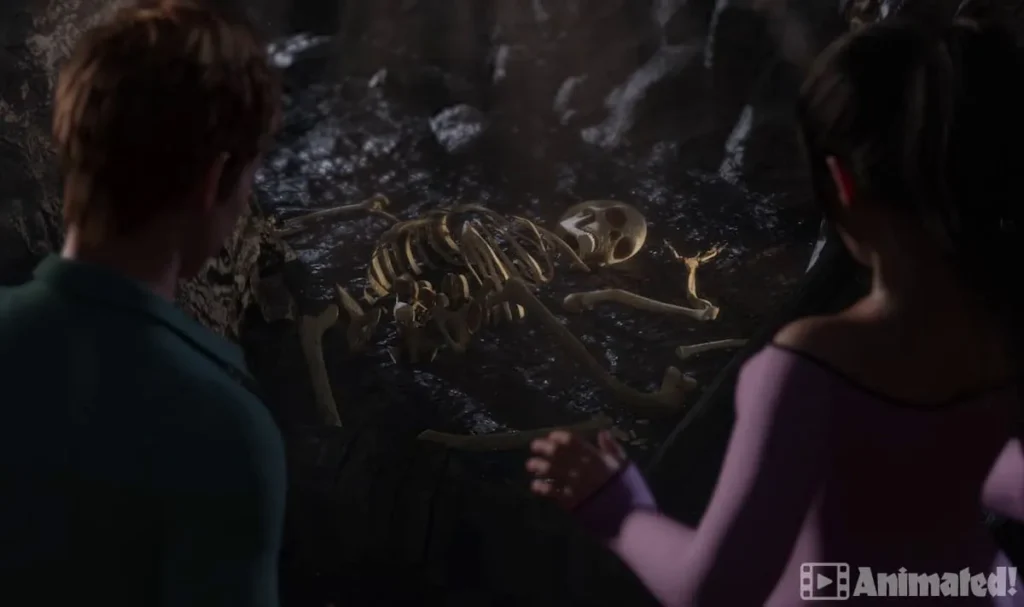


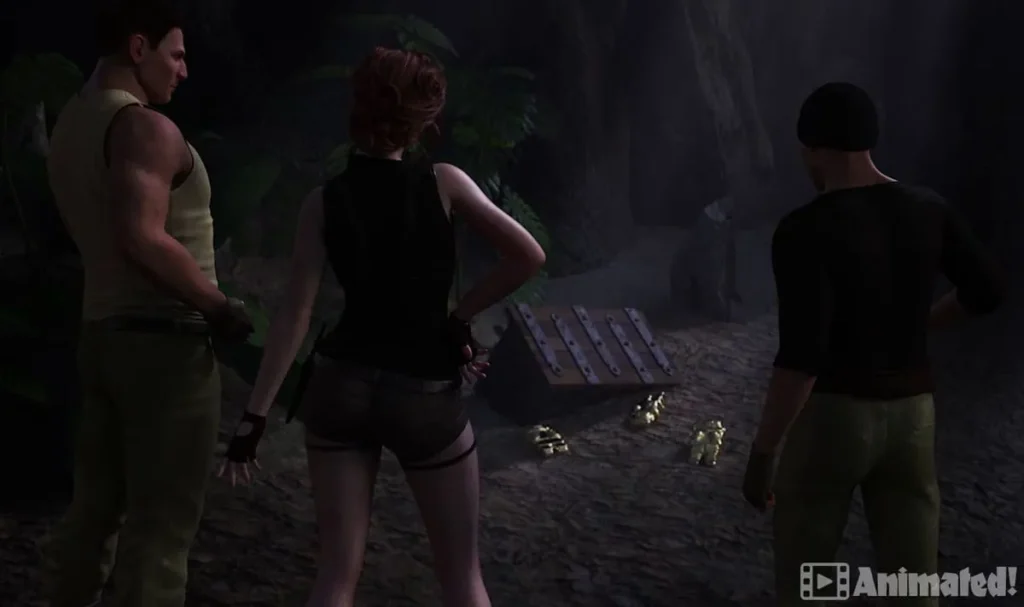





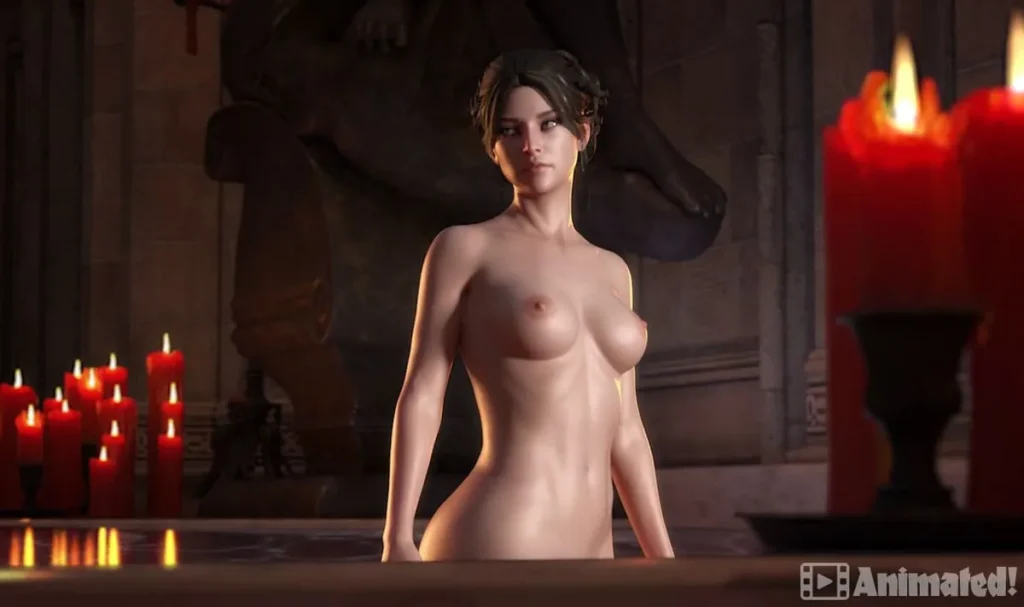


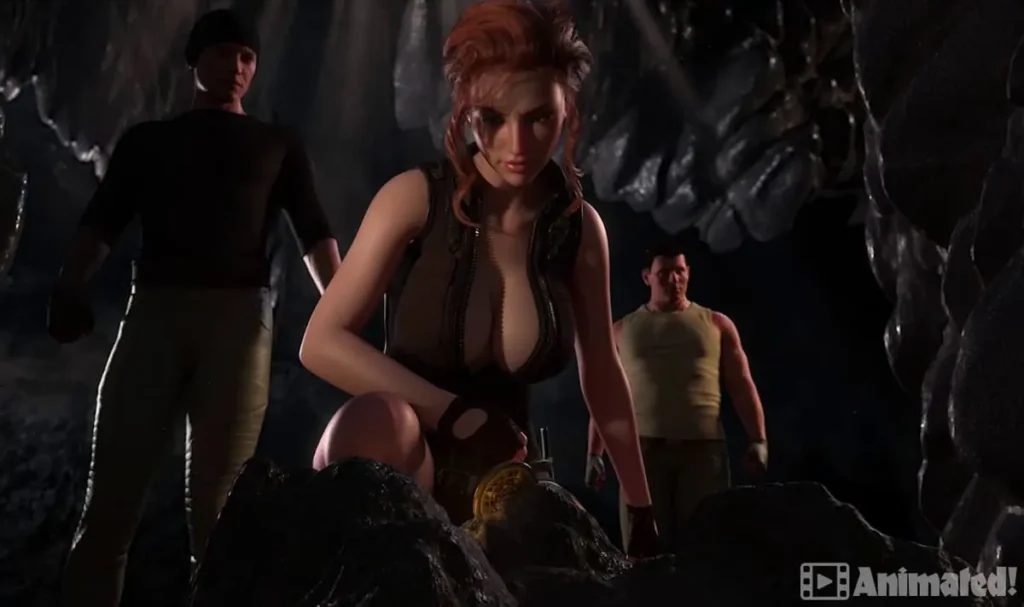
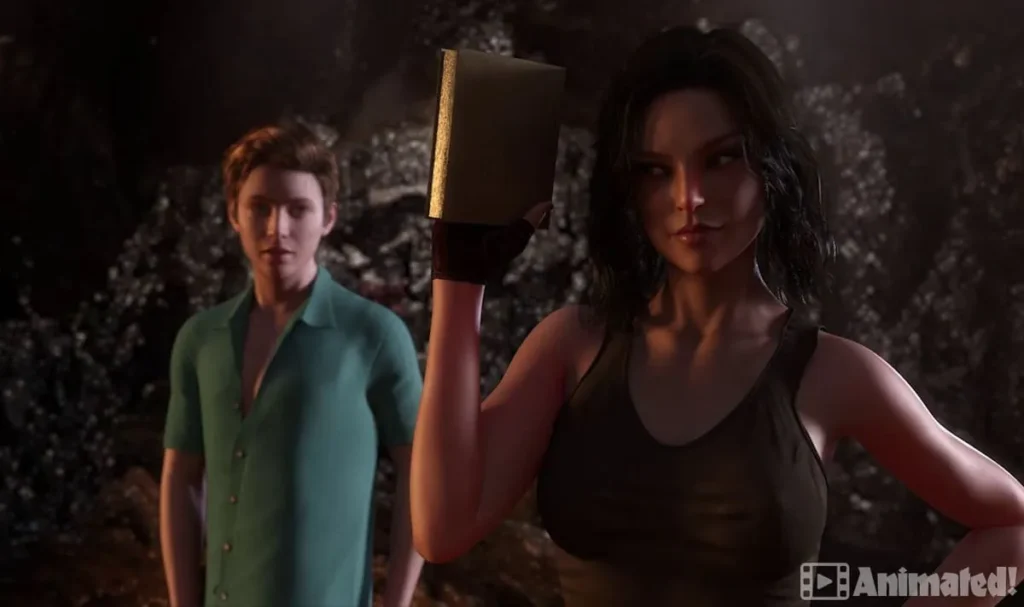
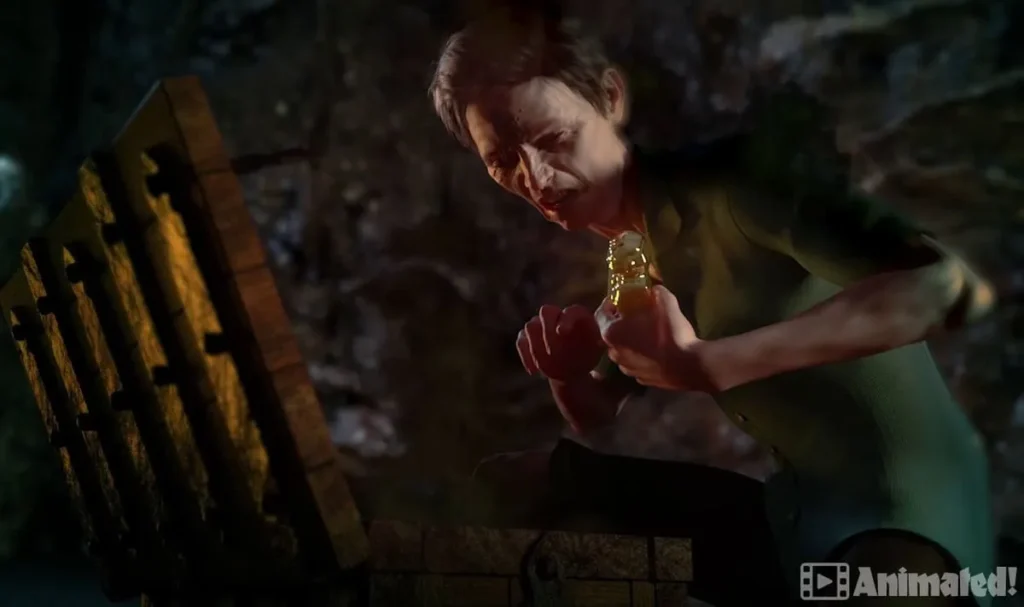





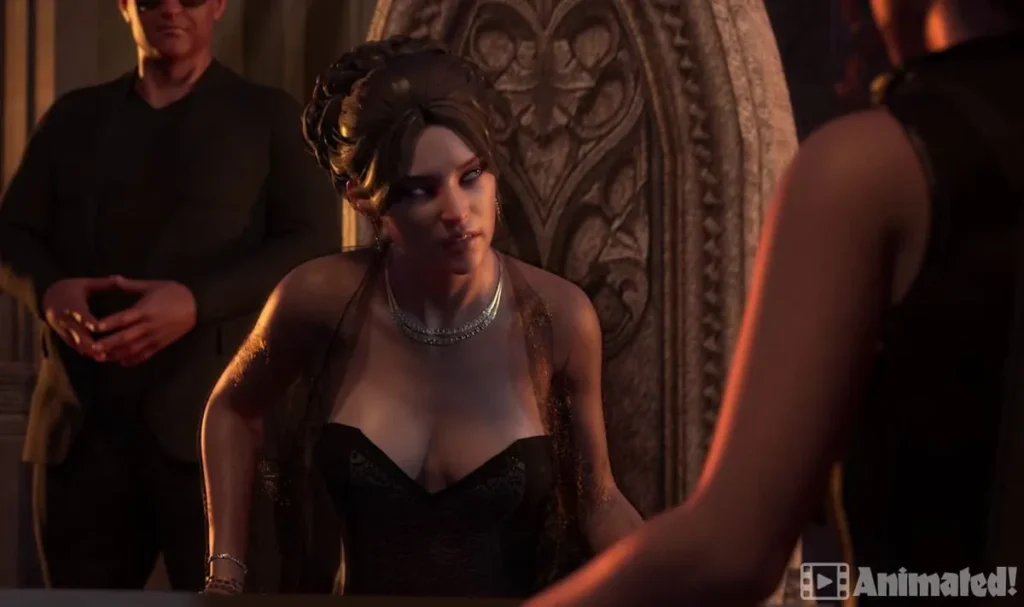
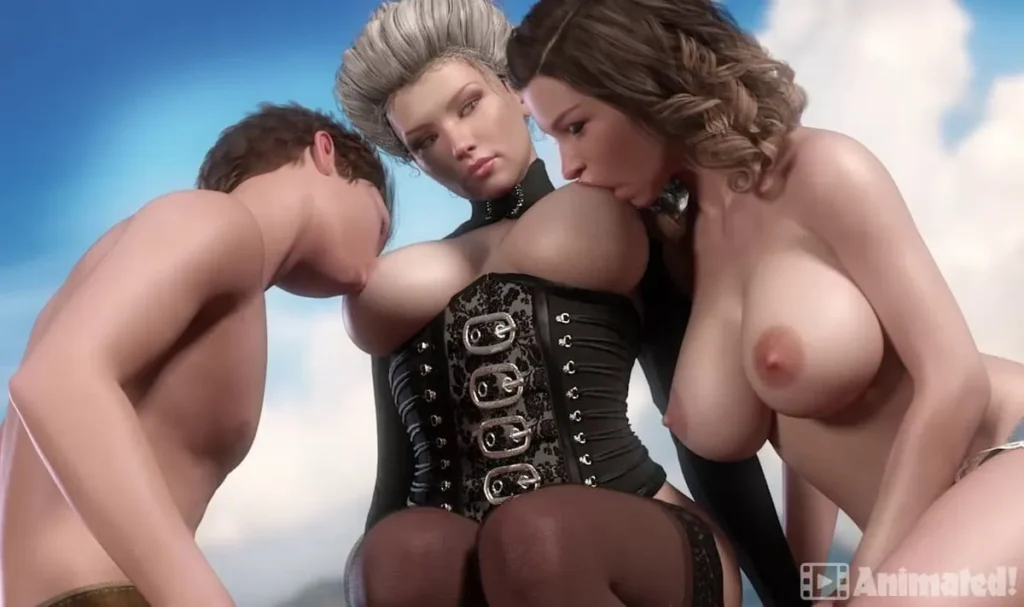



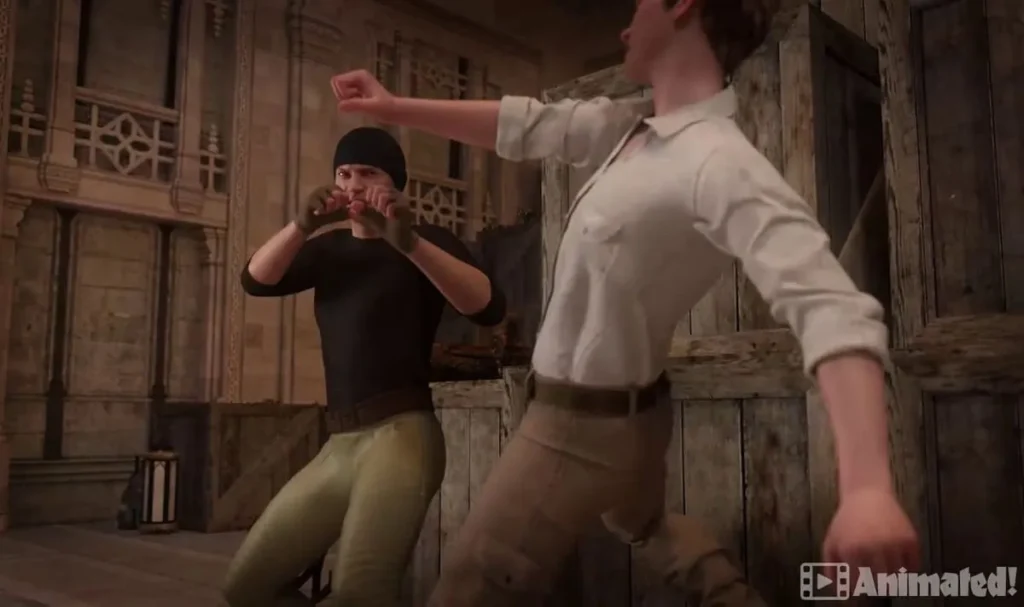



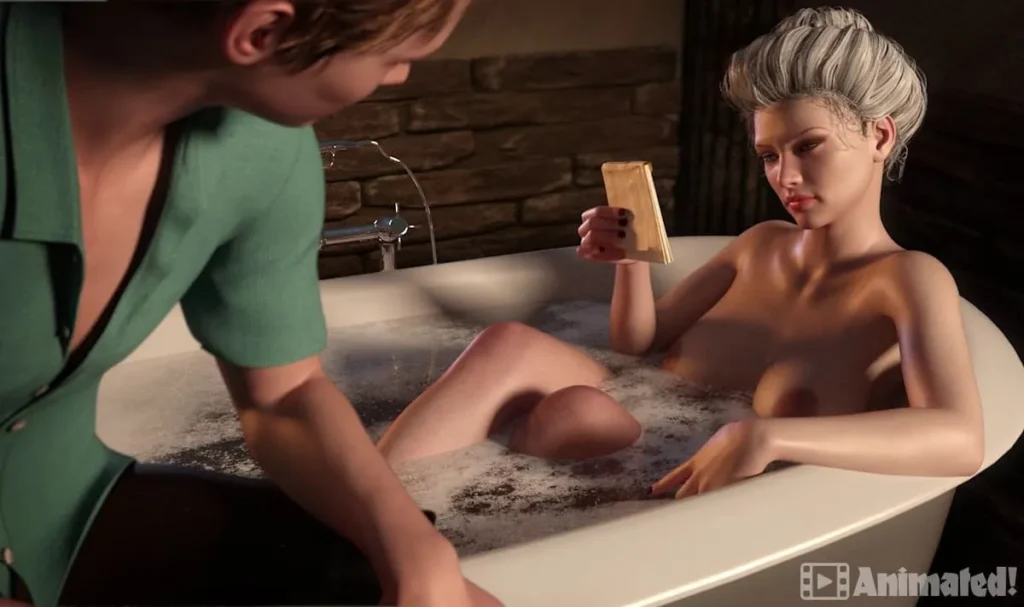

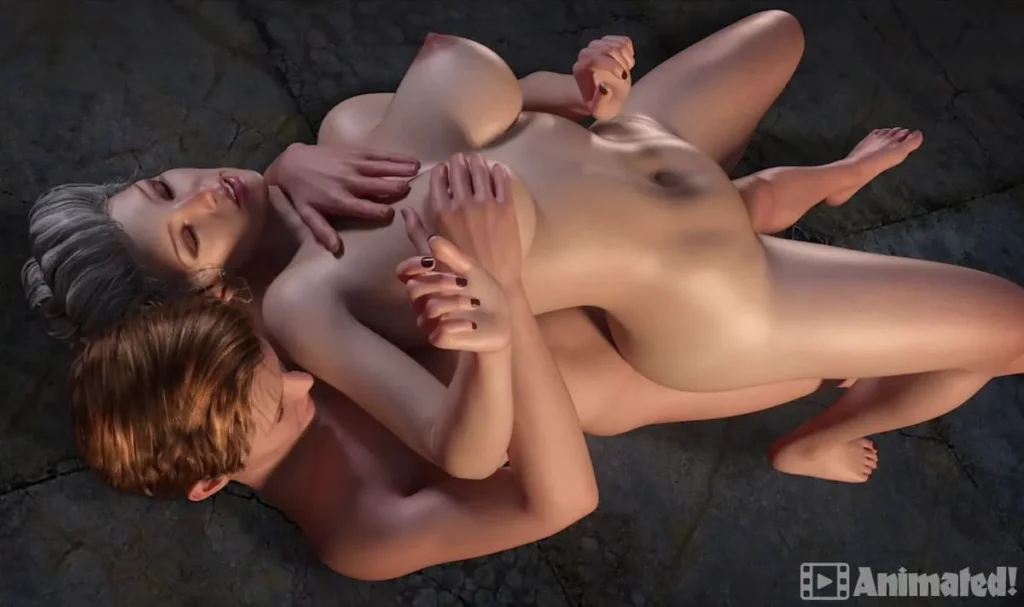


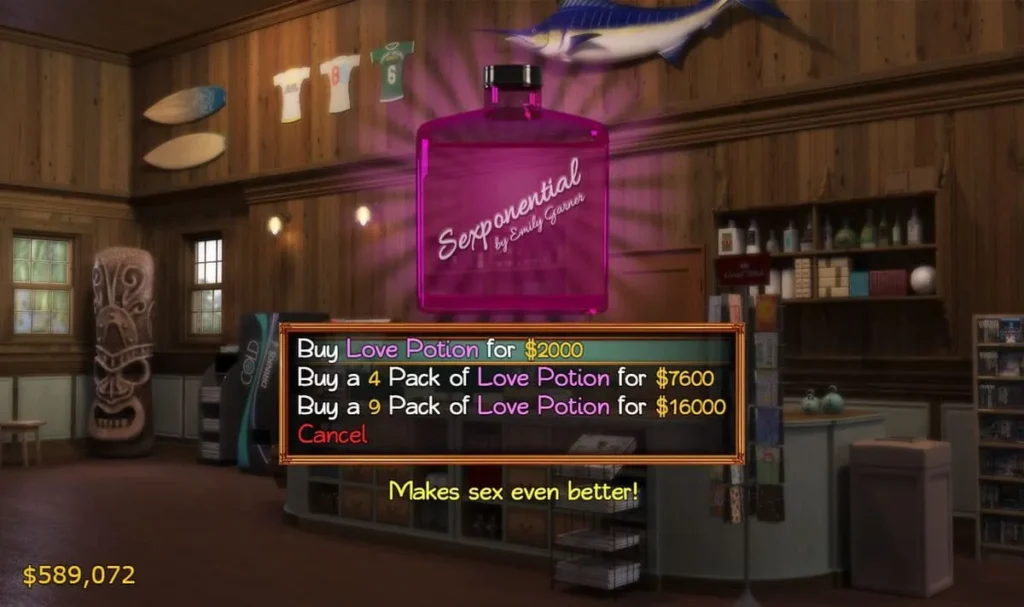

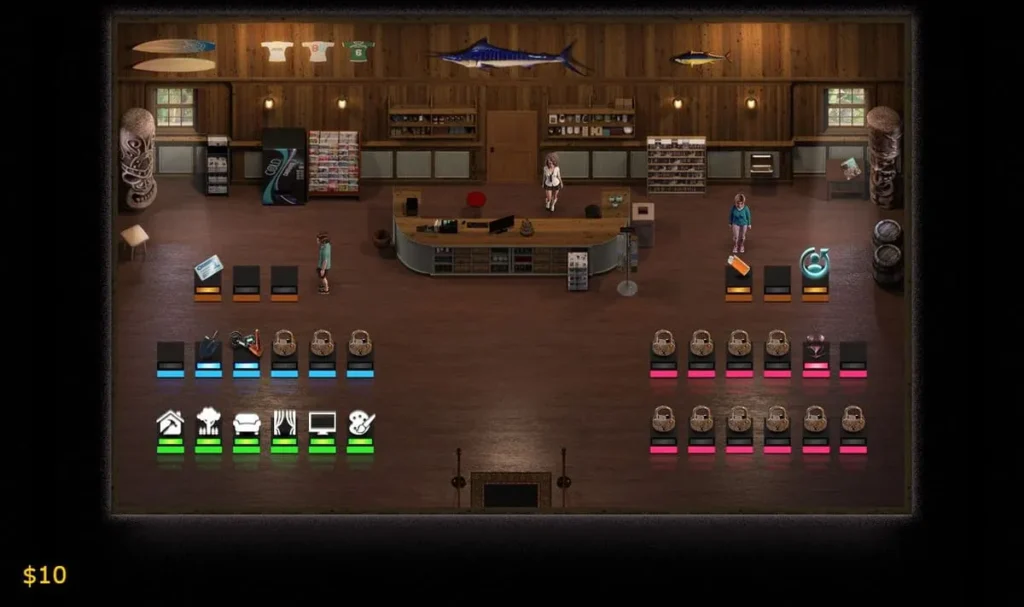

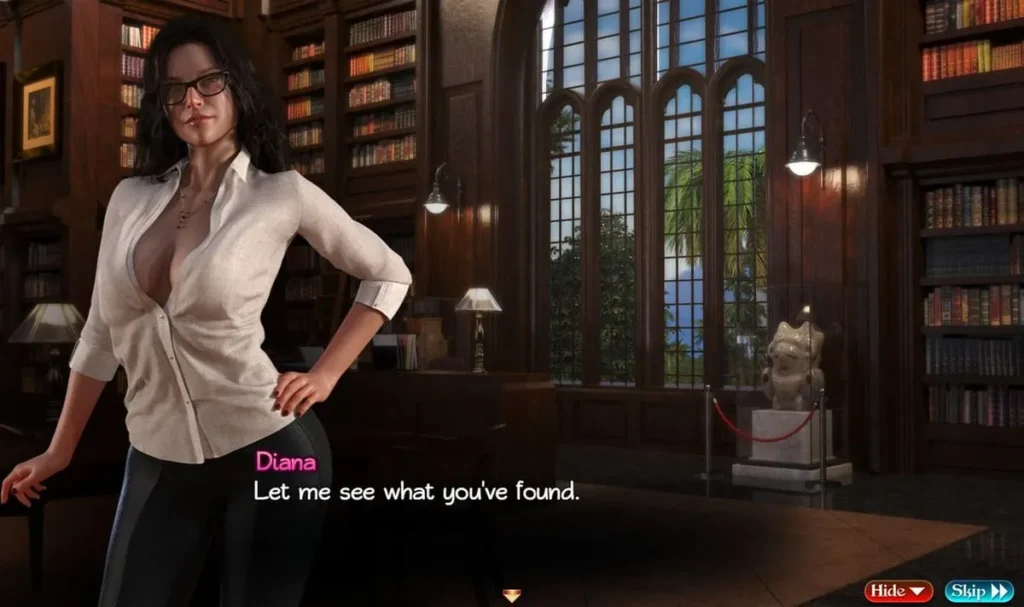



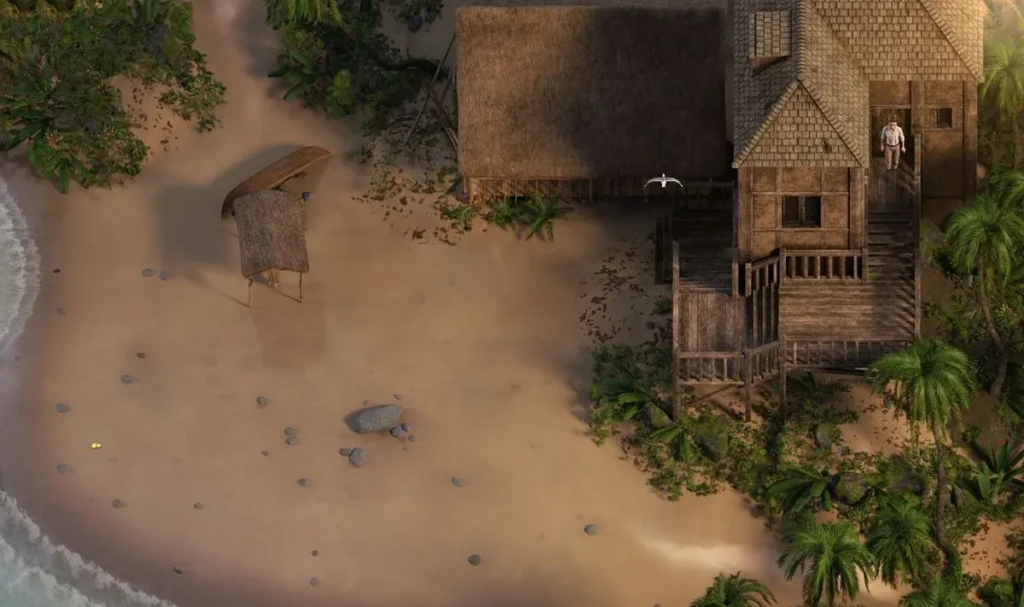

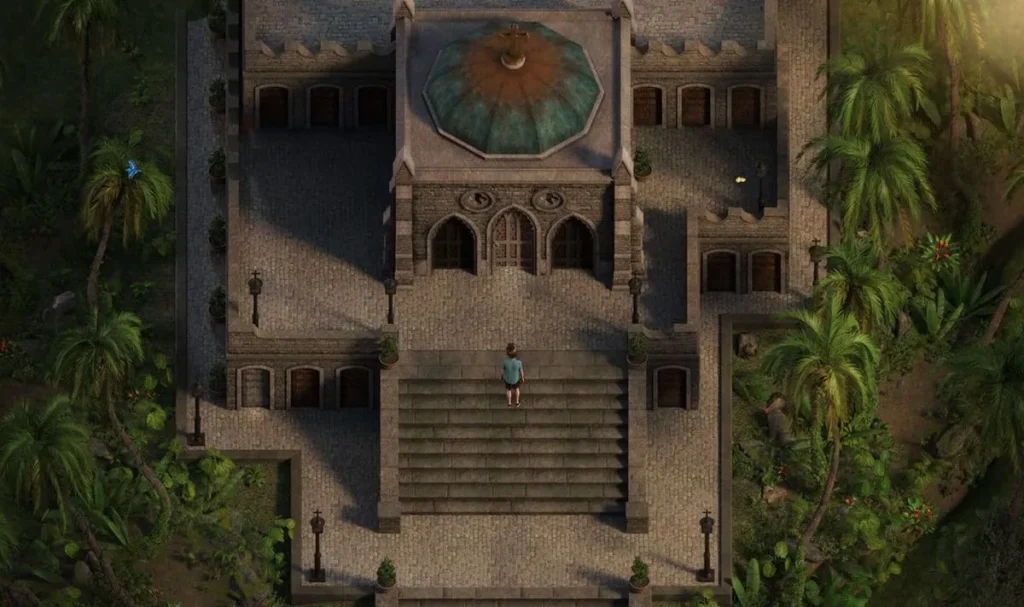
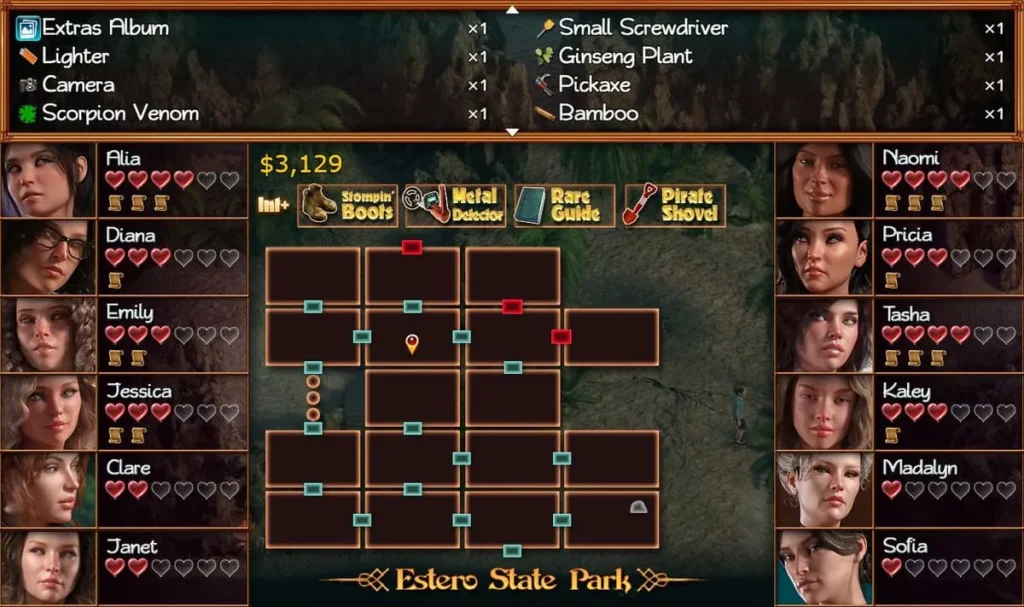
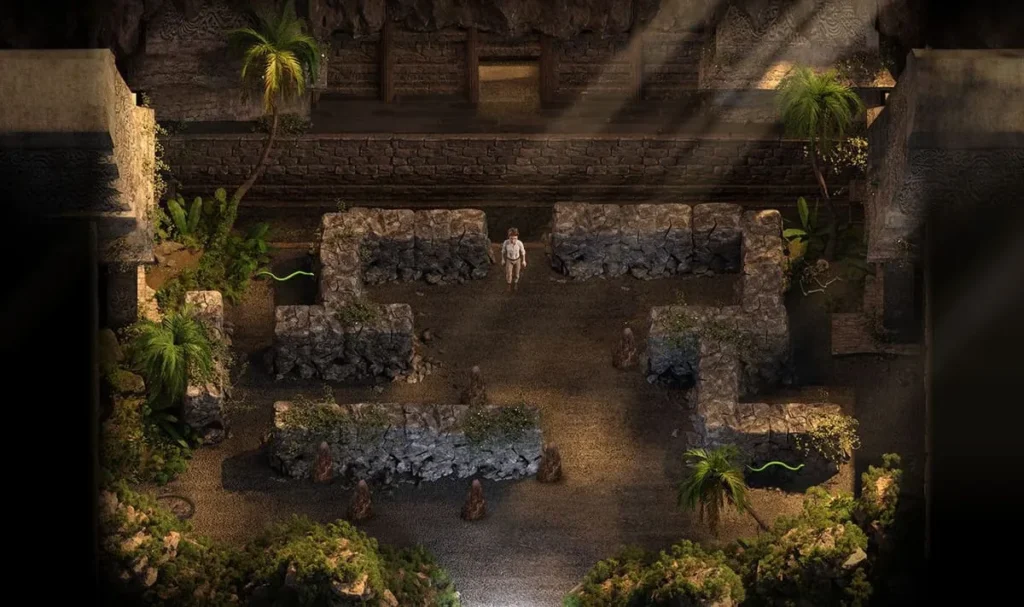
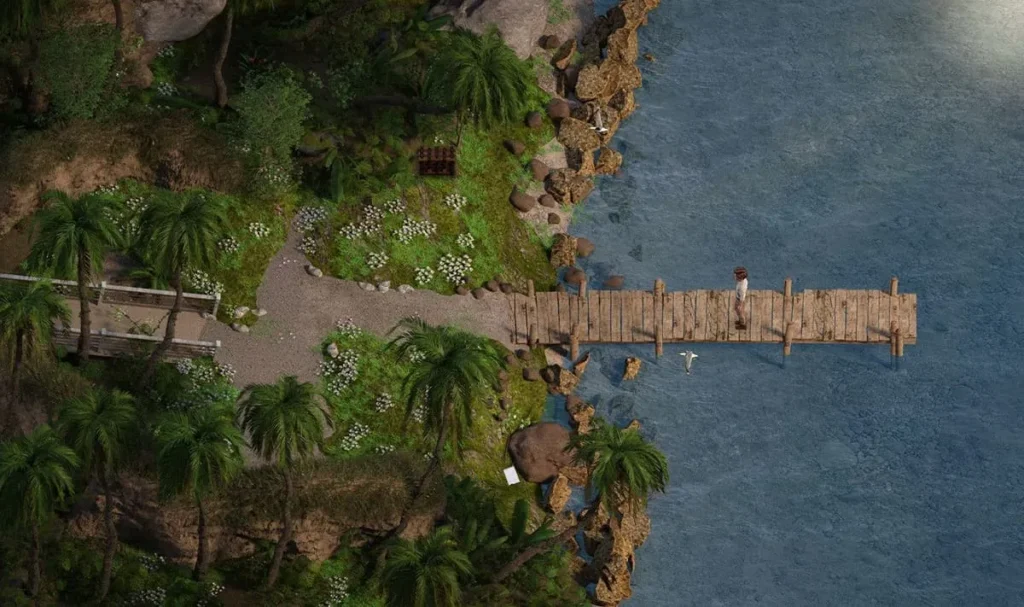
Treasure of Nadia review
Explore the adventure, gameplay mechanics, and features of this adult-themed exploration game
Treasure of Nadia stands out as a unique title in adult-themed gaming by blending Indiana Jones-inspired exploration with engaging storytelling and high-quality visuals. This game combines puzzle-solving, resource crafting, and character-driven narratives to create an experience that goes beyond typical genre conventions. Whether you’re interested in the gameplay mechanics, visual quality, or narrative depth, this comprehensive guide covers everything you need to know about what makes Treasure of Nadia a notable entry in its category. From its well-designed puzzles to its intricate character relationships, the game offers substantial content for players seeking both entertainment and engaging gameplay.
Gameplay Mechanics and Core Features
So, you’ve heard the buzz about Treasure of Nadia, downloaded it, and are ready to dive into its tropical mystery. But what exactly are you getting into? 🤔 Is it just a visual novel with occasional clicks, or is there a real game here with things to do? Let me tell you, as someone who’s spent countless hours combing every beach and jungle path, the Treasure of Nadia gameplay mechanics are the unsung hero of the entire experience. They transform it from a passive story into a genuine puzzle solving adventure game that will have you scribbling notes and planning your next move.
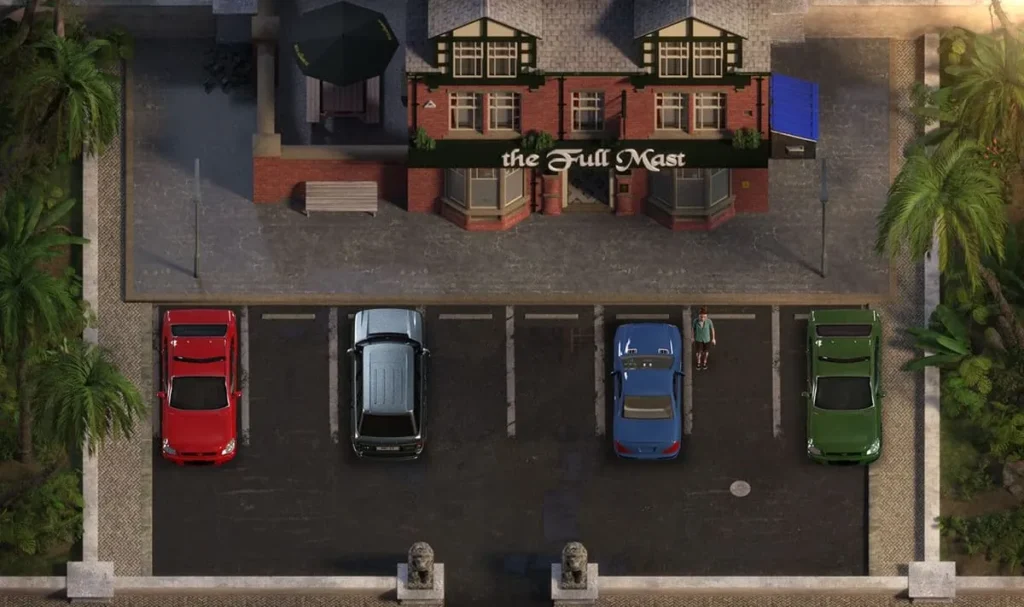
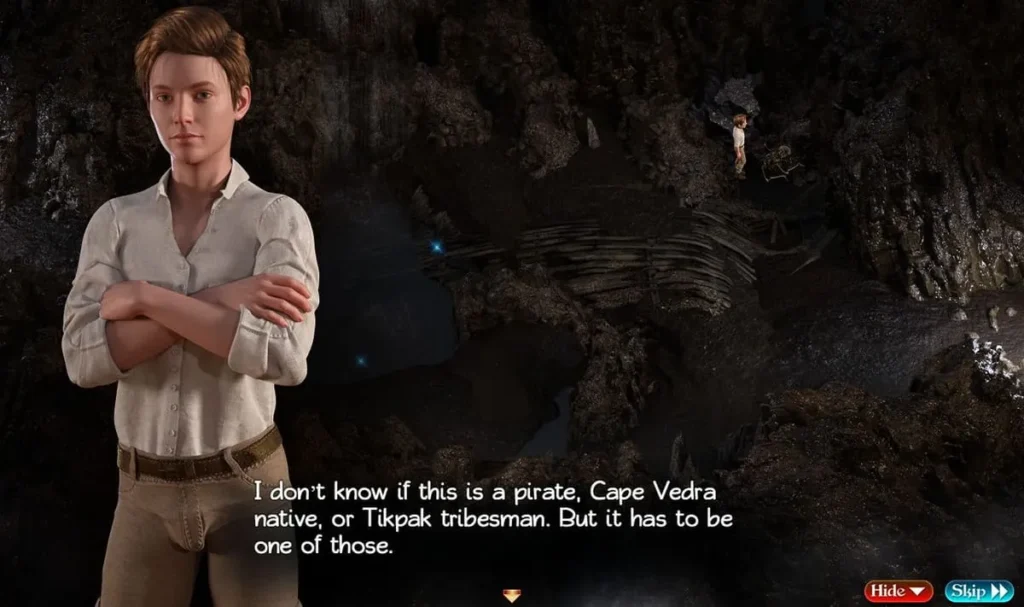
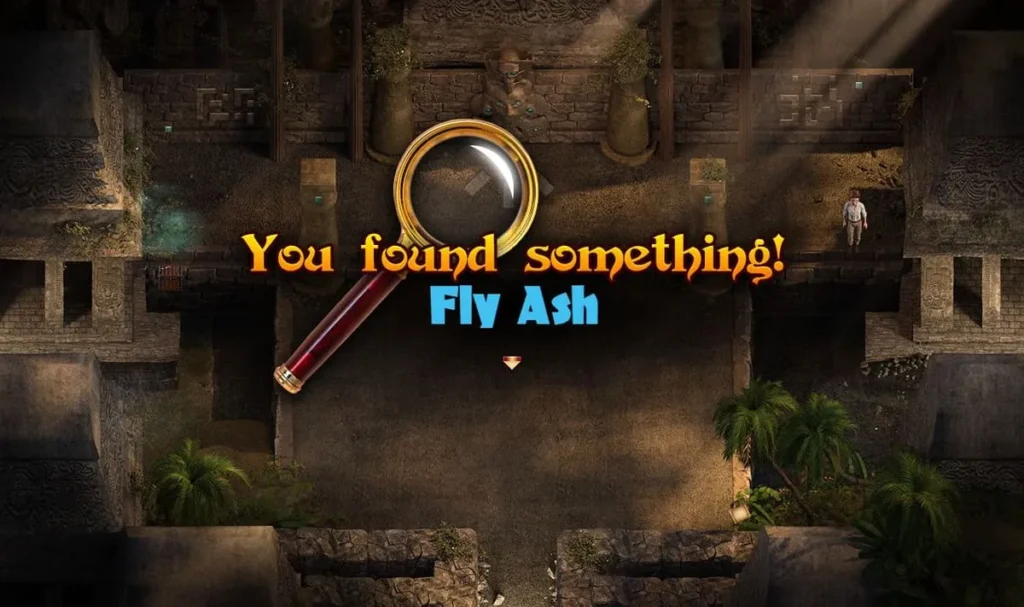
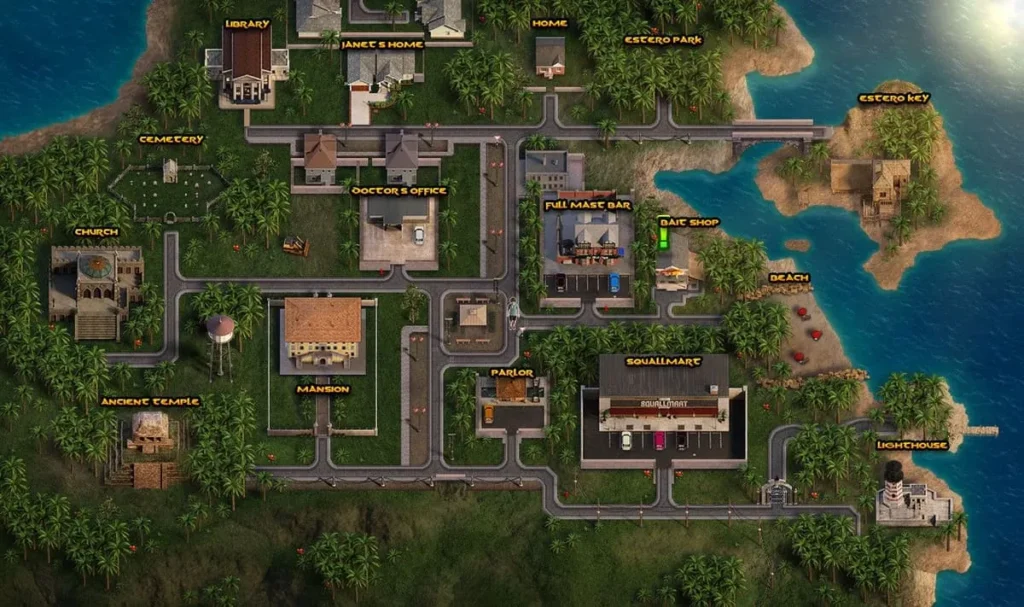
At its heart, this is an exploration-driven adventure with strong RPG-like gameplay features. You control our hero, Alex, from an isometric perspective, walking him around the vibrant island of Naughton. You talk to characters, investigate glowing points of interest, and collect a wild array of items—from simple stones and sticks to ancient artifacts and… well, less ancient underwear. 🩲 The loop is satisfyingly simple: explore to find items and clues, use those to solve puzzles or craft tools, which unlocks new areas to explore, pushing the story forward. It’s this cycle that makes the exploration game mechanics so addictive.
Pro Tip from a Veteran Explorer: Get into the habit of checking everywhere every time the in-game day cycles. Characters move, new items spawn, and hidden paths can become accessible based on your story progress or the tools you’re carrying.
Let’s break down that core loop you’ll be living in:
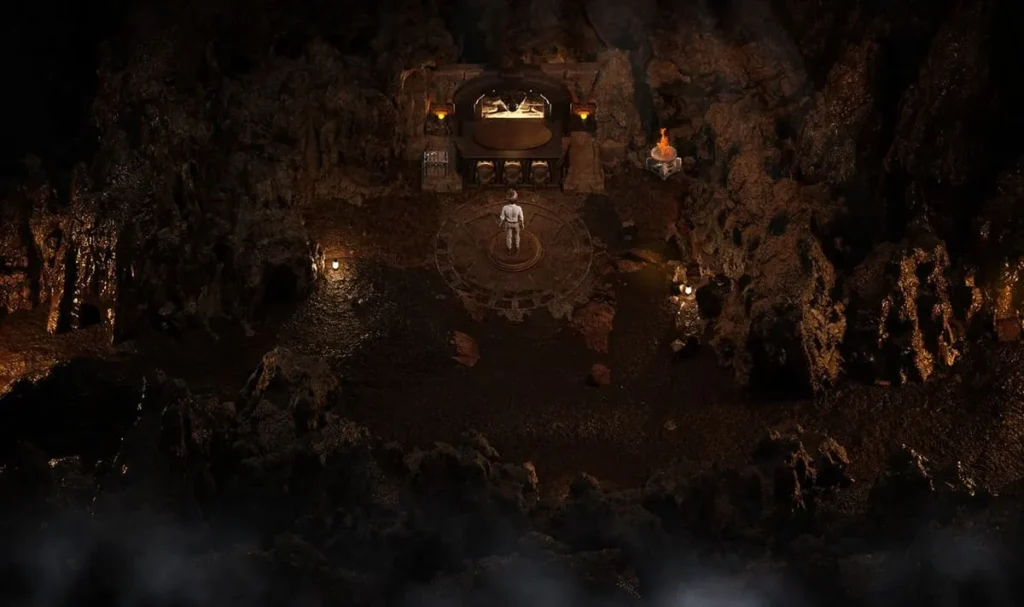
- Travel & Explore: This is your primary action. You’ll navigate between major locations like the Beach, Jungle, Caves, and Town. Each screen is packed with hidden collectibles and clues.
- Gather Resources: Click on everything that shines! Resources are everywhere, and you’ll need them for everything from basic crafting to major story puzzles.
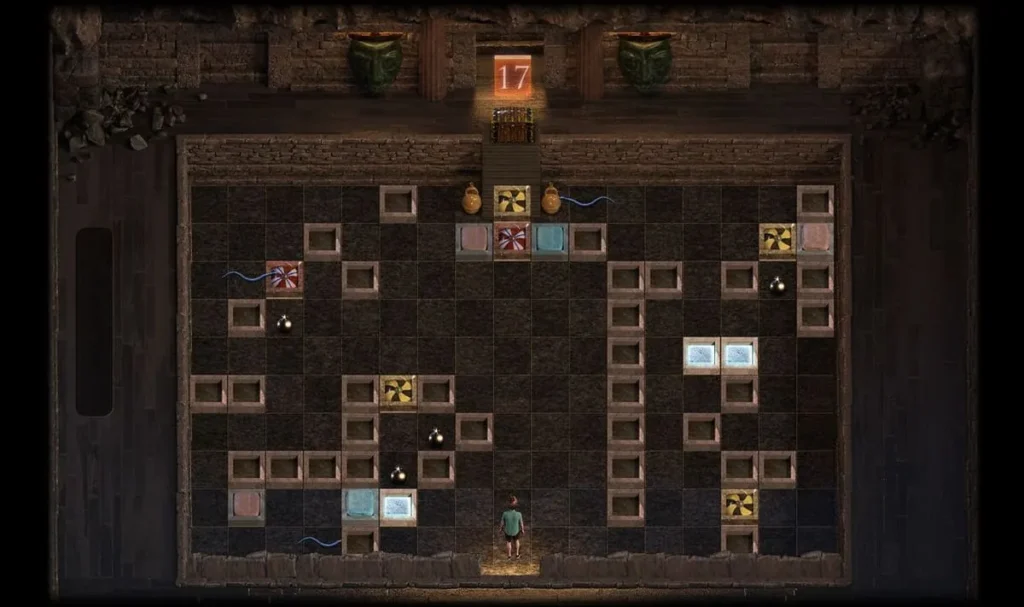
- Solve Puzzles: The game’s brain-teasers range from simple “use item A on spot B” to multi-step environmental puzzles that require careful observation.
- Craft Tools: Your inventory isn’t just for show. Combining found items at workbenches is essential for progression.
- Advance the Story: Every solved puzzle and crafted tool unlocks new cutscenes and dialogue, revealing more of the tantalizing plot and character relationships.
- Repeat: With new story beats come new areas to explore and new resources to find, starting the satisfying cycle all over again.
What Type of Game is Treasure of Nadia?
Forget simple labels. 🏝️ While its adult content grabs headlines, to view Treasure of Nadia solely through that lens is to miss its clever design. This isn’t a slideshow; it’s a fully interactive puzzle solving adventure game dressed in the clothes of a classic point-and-click explorer, with a pinch of light RPG seasoning.
Think of classic adventure games from the 90s—the kind where you picked up everything that wasn’t nailed down and used it in creative ways. Now, imagine that structure applied to a lush, open tropical island with a continuous narrative. That’s the core of the Treasure of Nadia gameplay mechanics. You are an active participant in unraveling the mystery. The game doesn’t just hand you the next story beat; you earn it by figuring out how to clear a landslide, repair a bridge, or decipher an ancient mechanism.
The RPG-like gameplay features come from the sense of progression and character development—not through stats, but through capability. Early on, a dense thicket is just an impassable background. Later, with the right crafted tool, it becomes a new shortcut. You, the player, feel your own problem-solving abilities growing alongside Alex’s arsenal. The world gradually opens up based on your actions, creating a fantastic sense of reward that pure visual novels can’t match. It masterfully uses these exploration game mechanics to pace the experience, ensuring that between thrilling story revelations, you’re always working towards the next one.
Puzzle-Solving and Exploration Elements
This is where the game truly shines as a puzzle solving adventure game. The puzzles are never so obscure that they require a moon-logic guide (well, mostly!), but they are satisfyingly complex. They are deeply woven into the environment and the exploration game mechanics. You’re not just solving abstract logic grids; you’re learning the rhythms of the island.
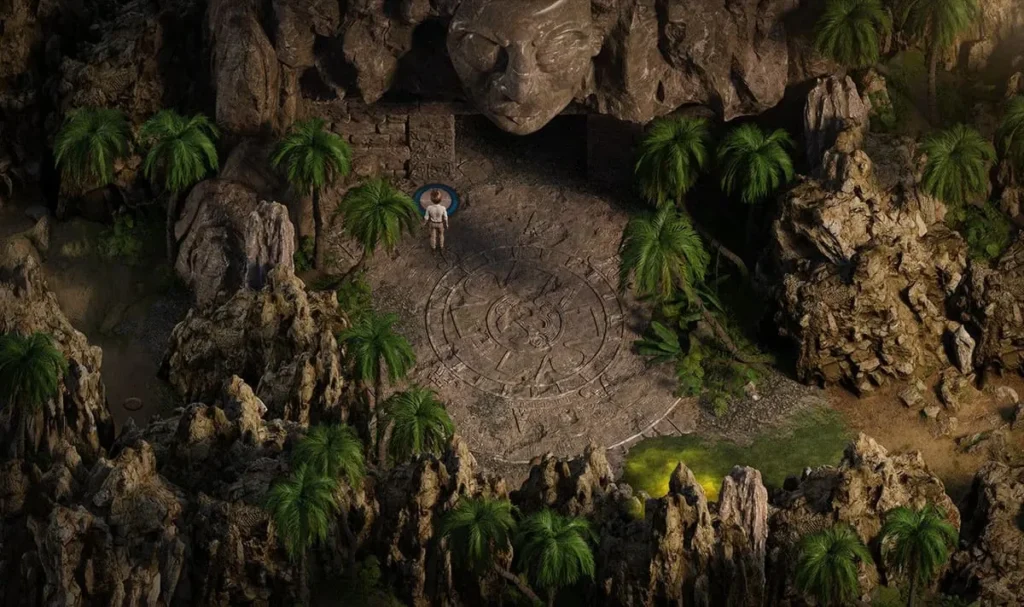
One time, I was utterly stuck. 🧱 I had a symbol rubbing from a temple wall and a journal page talking about “the gaze of the guardian at high sun.” I must have wandered past that stupid stone statue a dozen times before I finally connected the dots at noon, using a mirror I’d crafted earlier to reflect light onto a specific spot. The click of the hidden door opening was immensely satisfying. This is typical of the game’s design: it respects your intelligence and rewards thorough exploration and note-taking.
The puzzles serve as the gates between story segments. They ensure the narrative has room to breathe and that you feel like an explorer, not just a spectator. You might need to:
* Assemble fragmented maps from collectibles found across the island.
* Use animal calls (crafted from special items) to lure creatures out of your path.
* Sequence pressure plates in a ruin based on clues found in a separate journal.
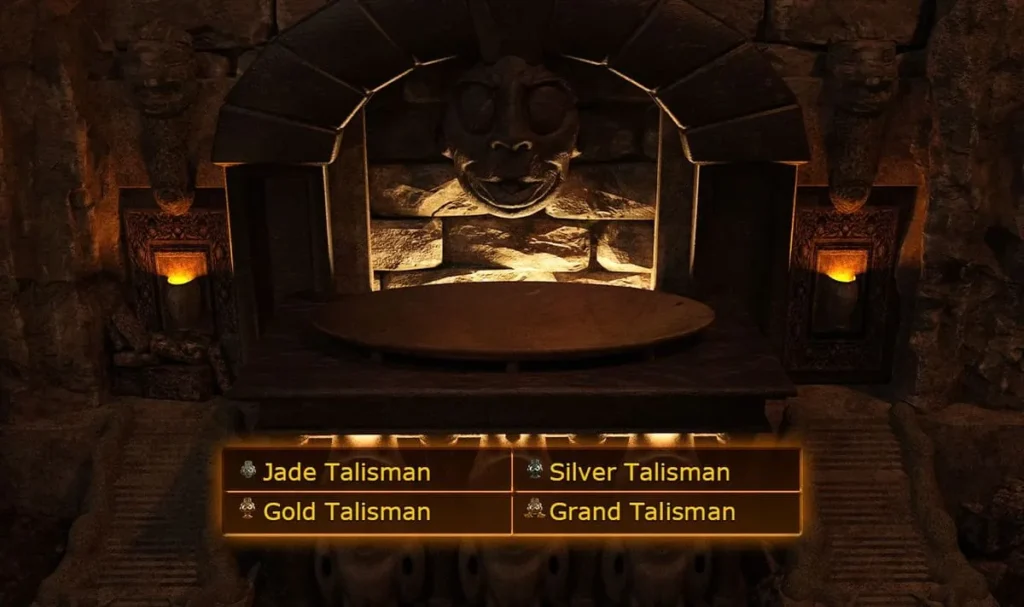
* Combine multiple found items to create a specific key for a mysterious lock.
This constant engagement means you’re always working with a goal. The Treasure of Nadia gameplay mechanics related to puzzle-solving provide the actual gameplay challenge that balances the more passive story enjoyment. It makes the world feel cohesive and alive—every item has a potential purpose, and every location might hold a crucial clue.
Crafting System and Resource Management
Ah, the crafting system game guide portion of our program! This isn’t some minor side activity. Crafting is the absolute backbone of progression and one of the most compelling RPG-like gameplay features. You will become a hoarder, and you will love it. 📦
Early on, you’ll unlock the Craft menu, and from that moment, your entire relationship with the world changes. That “Shiny Stone” isn’t just trash; it’s a future component of the Ancient Pickaxe you need to mine a cracked wall. The crafting system game guide mentality is essential: see the potential in everything.
The system is elegantly simple. You find recipes scattered throughout the world (in chests, as rewards, in journals), and they list the required components. Open your craft menu, select the recipe, and if you have the parts, voilà! But here’s where the resource management game aspect kicks in. Many essential resources—like specific herbs, metals, or rare stones—are not infinitely available. They respawn slowly or are found in limited quantities. This means you can’t just craft everything willy-nilly. You need to plan.
A Lesson Learned the Hard Way: I used all my Sturdy Vines on upgraded traps early on, only to hit a story puzzle hours later that required ten of them for a crucial rope bridge. I had to spend two in-game days just farming vines from specific jungle spots. The grind is real in the middle sections!
This resource management game layer adds surprising depth. You’re constantly making micro-decisions: “Do I use this Sapphire to craft the expensive lure for that side quest, or save it for a potential story tool later?” It encourages even more thorough exploration, as you’ll need to remember where rare materials spawn.
Let’s talk about the “grind.” Some players hit a wall in the mid-game where progression seems to stall, waiting for specific resources to respawn or for a crafted item to be used days later. This is the game’s way of pacing and encouraging you to pursue collectibles and side content. Instead of seeing it as a wall, see it as an opportunity to clean up your map, hunt for fossils, or woo the many charming characters. The core Treasure of Nadia gameplay mechanics are designed to keep you engaged on multiple fronts.
And speaking of collectibles and side content, this is a huge part of the extended playtime. Beyond the main story, you can:
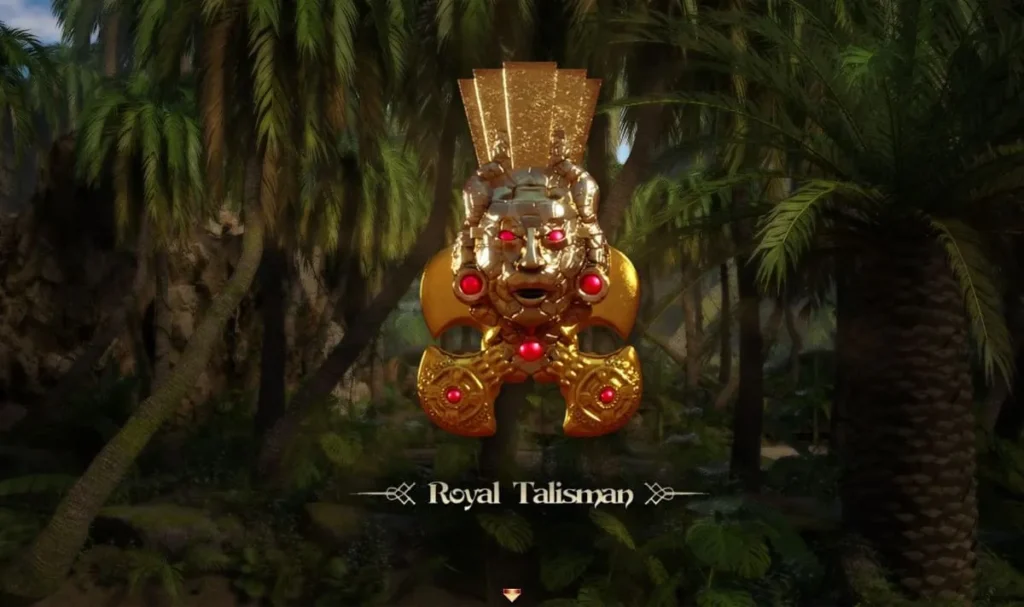
* Hunt for 100+ hidden Golden Skull Coins to trade for powerful items.
* Unearth fossil pieces to assemble into a massive museum collection.
* Complete character-specific quest lines that often involve their own unique puzzles and crafting chains.
* Find countless journals and notes that flesh out the island’s rich lore and history.
This extra layer means there’s always something to do, making the world feel packed with secrets and rewarding the most diligent explorers. The collectibles and side content aren’t just filler; they provide tangible rewards and deeper immersion.
Ultimately, the genius of Treasure of Nadia is how all its systems intertwine. The exploration finds you resources and puzzles. The resources feed the crafting. The crafting solves the puzzles and unlocks new areas to explore. And all of it is perfectly paced between captivating story beats. The gameplay isn’t an afterthought; it’s the engine of the adventure.
| Gameplay Element | How It Serves the Story & Pacing |
|---|---|
| Exploration & Travel | Controls the narrative flow. New story moments are physically gated behind discovered locations, ensuring players engage with the world. |
| Puzzle Solving | Provides intellectual challenge and a sense of achievement. Acts as a “gatekeeper” between major plot revelations, preventing the story from feeling rushed. |
| Crafting & Resource Management | Creates a tangible progression system. The time and effort invested in gathering and crafting make story unlocks feel earned and satisfying. |
| Collectibles & Side Content | Extends gameplay and rewards thoroughness. Offers breaks from the main plot grind and deepens world-building and character relationships. |
| Daily Time Cycle & Character Schedules | Adds a layer of realism and strategy. Forces players to plan their days and revisit locations, naturally slowing pace and encouraging observation. |
Treasure of Nadia successfully distinguishes itself in adult-themed gaming by combining genuine gameplay mechanics with compelling storytelling and exceptional visual presentation. The game’s strength lies in its ability to balance exploration, puzzle-solving, and character-driven narratives while maintaining high production values in its visual design. While the audio design and some pacing elements could benefit from refinement, the overall experience delivers substantial content and engagement for players seeking an adventure with depth beyond surface-level appeal. The game’s Indiana Jones-inspired exploration framework, coupled with meaningful character relationships and mystery-driven plot, creates an experience that resonates with players looking for more than typical genre offerings. Whether you’re drawn to the puzzle-solving gameplay, the visual quality, or the narrative experience, Treasure of Nadia offers a comprehensive package that justifies its reputation as a standout title in its category.